A Guide to Plumbing in the Older Home
For the most part, the plumbing issues one finds in an older Australian home can be traced back to materials past their best, the vagaries of soil movement, old fittings and the cumulative effect of pressure, roots and sediment over the years. But there is a silver lining: you will generally see the telltale signs of trouble before a minor leak has time to mar your ceiling or a blocked drain turns the bathroom into a pool. The dunny too will not get its way without warning.
Matilda Lawson here. As a homeowner and writer in Adelaide I have an eye for the kind of thing others might overlook; the tap that will not run clear in a hurry, a dampness by the laundry, some unexplained gurgling that is not worth the bother of looking into. In this guide I set out the nature of these problems in older homes and what they signify, what is safe to check on your own and at what point to put it in the hands of a licensed plumber.
The Reason for Faults in Older Homes
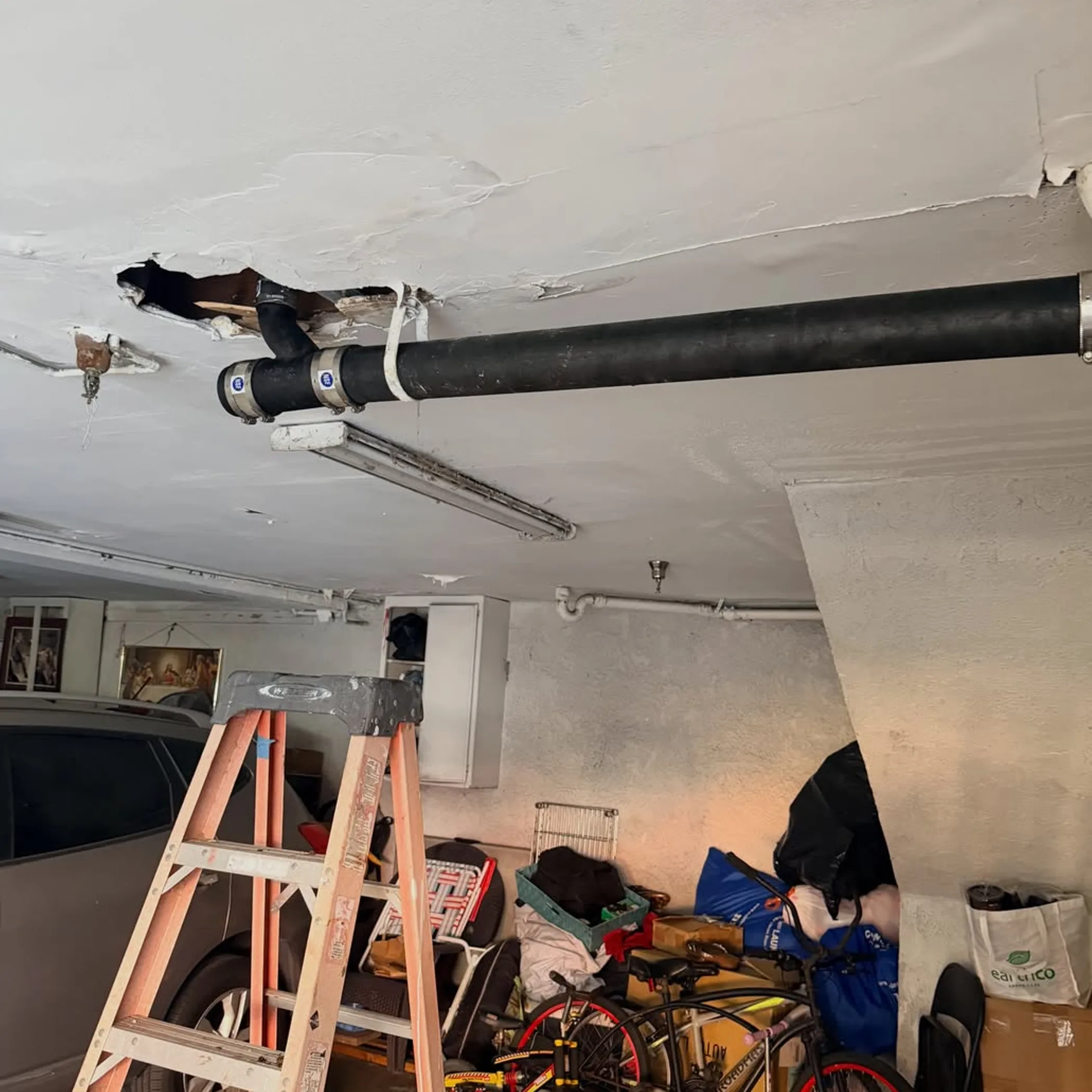
You will find all manner of plumbing materials in an older house, sometimes several generations of them. There could be copper within the property, galvanised steel at the mains, clay or terracotta under the garden and PVC put in at the time of a reno. Such a patchwork may serve you for decades but each material and joint has its vulnerability. It is worth considering the trenchless pipe repair benefits available today.
Then there are the homes constructed when modern methods were not yet de rigueur with their narrow pipework, inadequate falls and fixtures not designed for the washing machine and dishwasher of today. It does not mean age is a recipe for disaster, but it makes a regular once-over all the more prudent.
How Material Age Affects Performance
Rust and mineral deposits will constrict the inside of a galvanised steel pipe. Copper is for the most part hardy but is not immune to pinhole leaks from chemical corrosion or poor workmanship. Give PVC a hard knock or let the ground shift and it will show it, particularly at the connections.
Below the house, open joints or a crack in a clay sewer pipe is an open door for tree roots. They do not require an invitation, a small opening in a damp line is ample for them.
Old Water Pipes That Have Corroded
Galvanised steel is perhaps the most familiar of old house plumbing ailments. With the internal diameter reduced by rust, water can be slow to come on even if the street supply is good. You might also see brown or orange water from a tap left alone for a while which is indicative of corrosion or sediment.
Do not be fooled by a pipe that appears fine from the outside, it can be rough as guts in there. If you are having to make repeated repairs and the water is rust coloured, the pipe is degrading.
When to Consider a Replacement
There are indicators such as damp in the cupboards, green on a copper connection, rust about the threaded fittings or a change in pressure with another tap running. Should a plumber have been in to fix a few sections already, it is worth inquiring as to the longevity of the rest of the outdated pipework.
A full replacement is more of an undertaking at first but it can save on water damage and the need for call-outs. It is a matter of judging the system as a whole, the water quality and accessibility.
Dealing with Slow Flow and Low Pressure
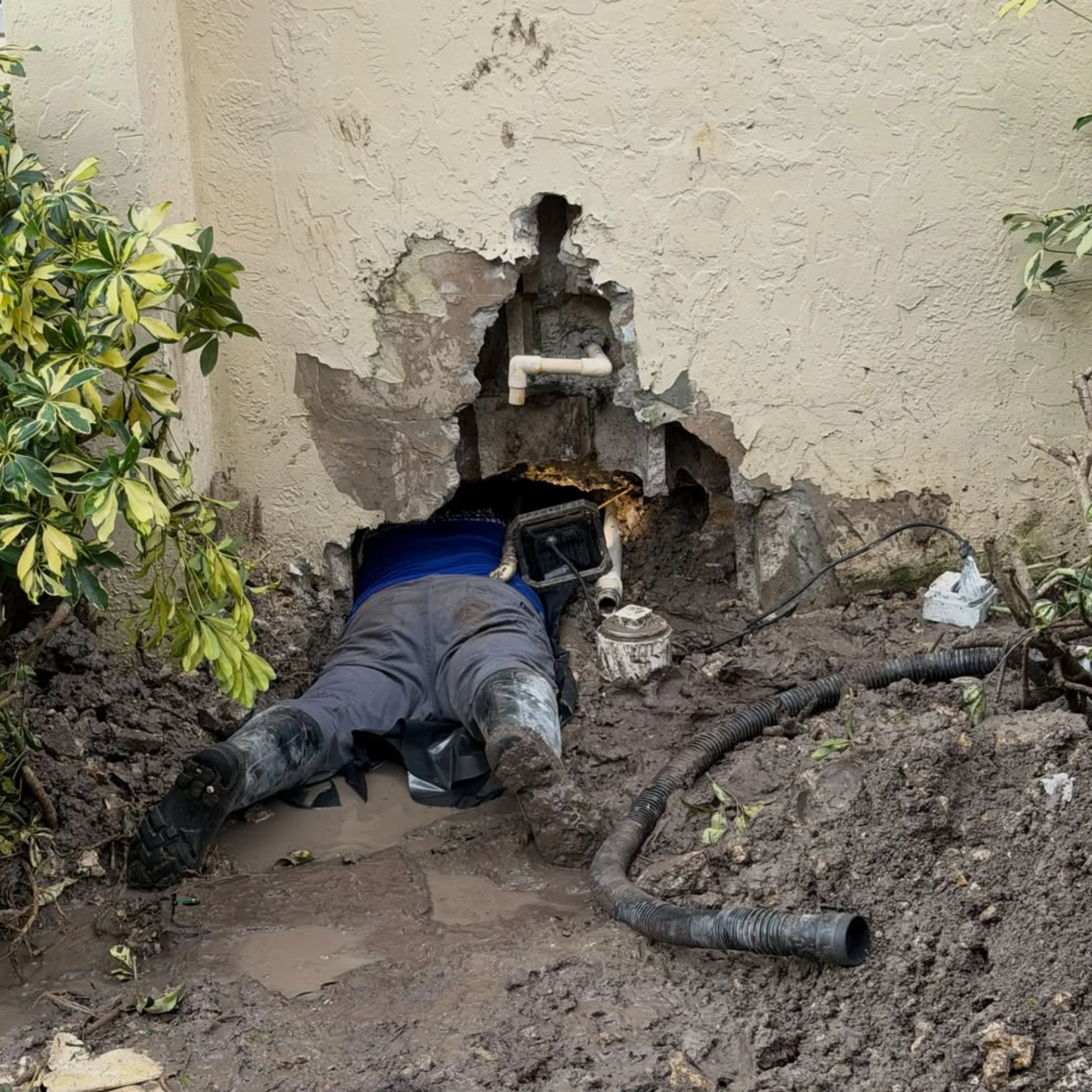
The supply to the property is not always to blame for low pressure. An older home will have its share of regulators on the way out, partly closed valves, clogged aerators and pipes that have narrowed.
Do a little test to see if it is the whole house or just the one bathroom or tap. If only one outlet is affected it is likely the fixture is at fault. When they are all wanting, the problem is probably near the meter or main valve.
Before You Make a Call
See that the main isolation valve is open and look for any grit in the aerator. Leave the water meter and pressure controls well alone. If you notice a marked drop in flow as the toilet fills, have the plumbing looked at.
Some are under the impression a new showerhead is the answer. In fact a high-flow model can exacerbate the weakness of the pipework, two bathrooms in use being a case in point.
Sewer Lines and Blocked Drains
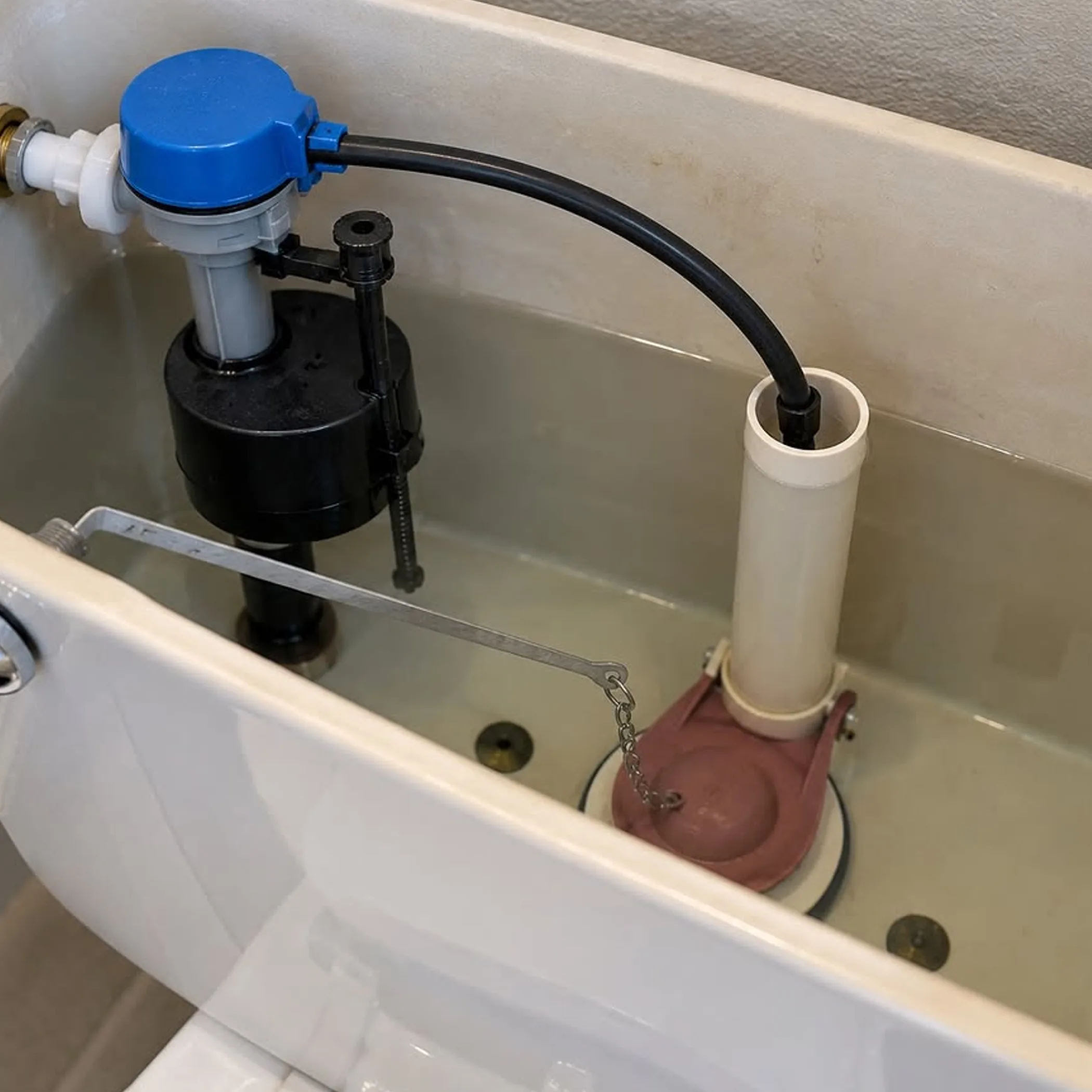
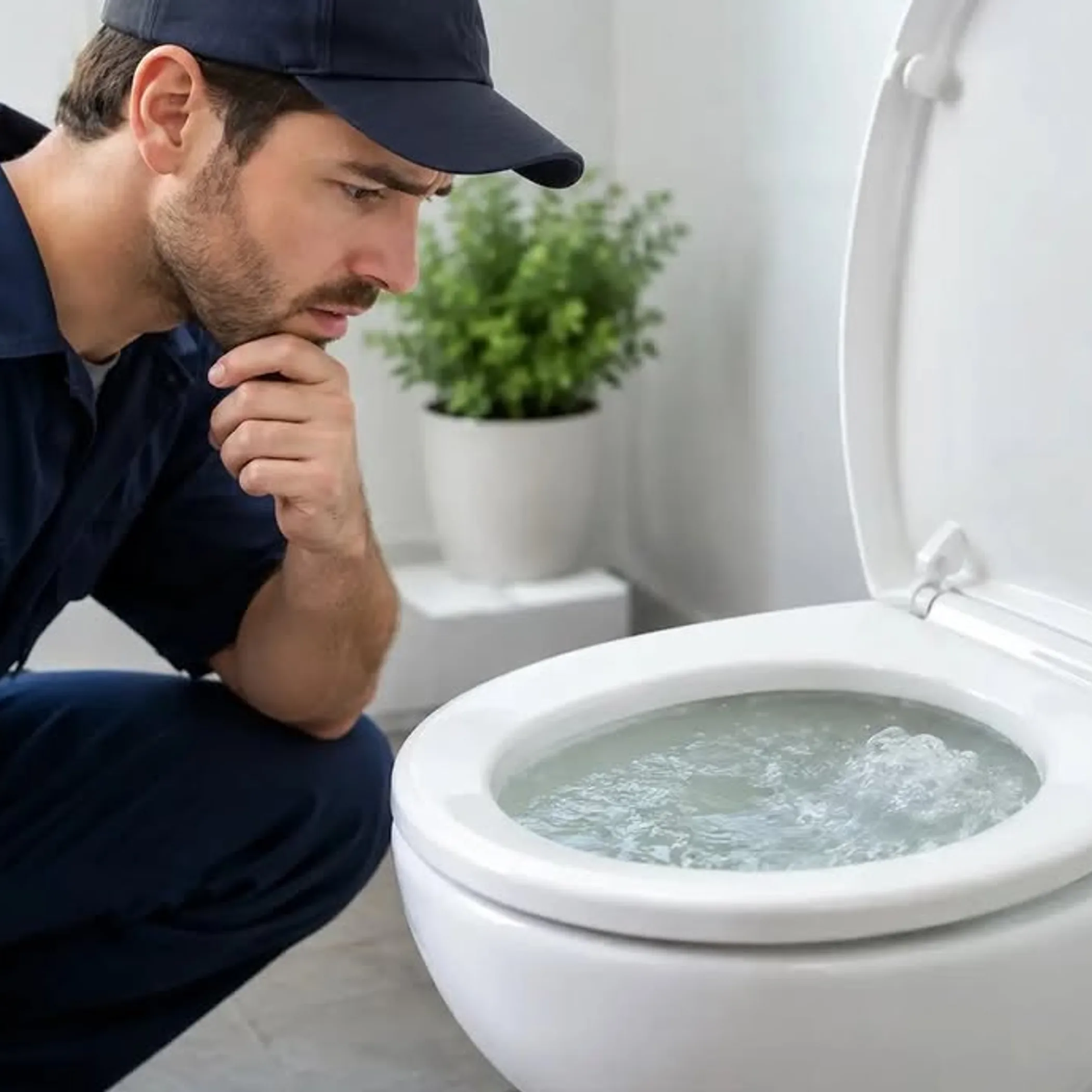
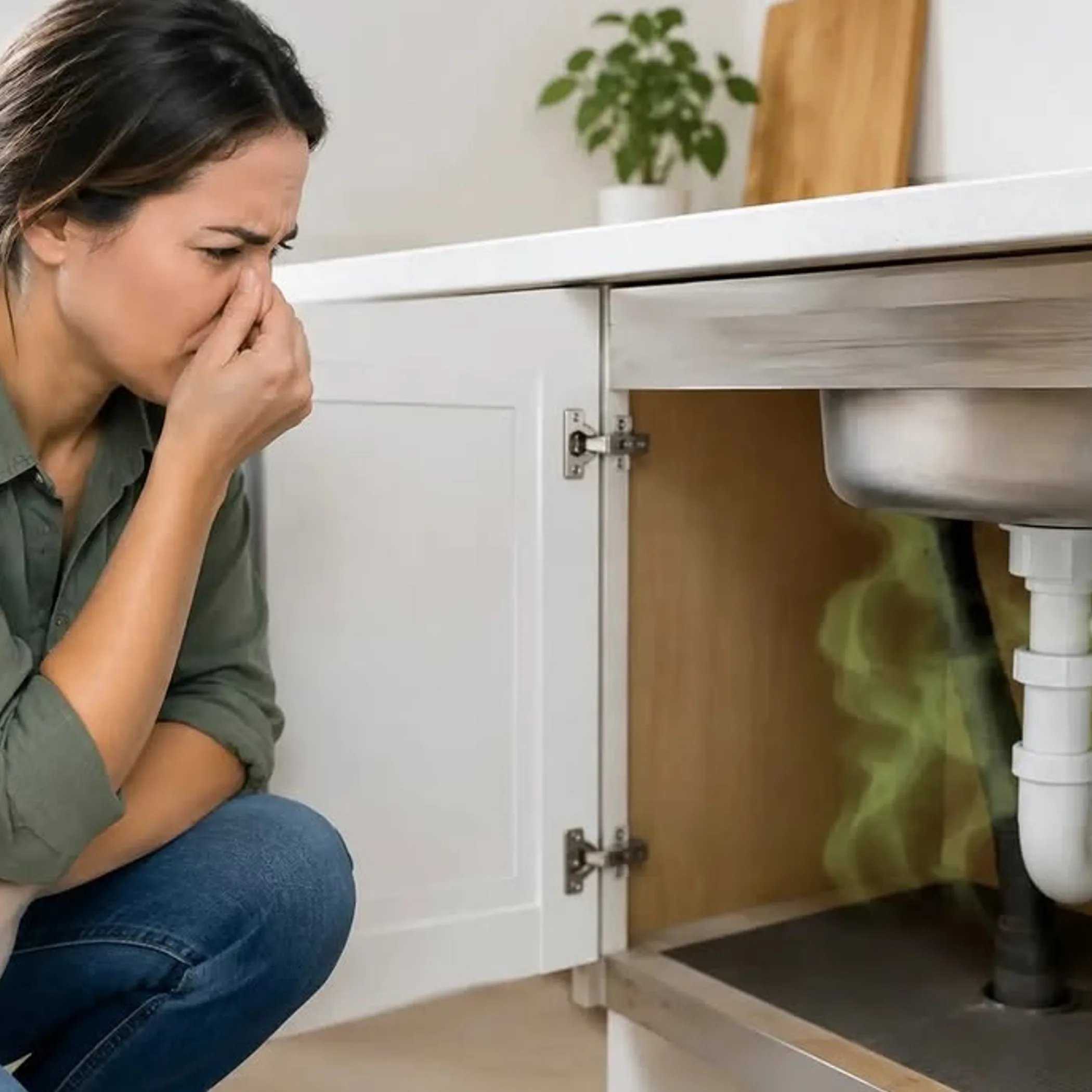
One of the more frequent plumbing headaches in Australia. In an older place it can be down to hair and grease in the house, an external line full of sediment, a misaligned pipe or something amiss with the sewer under the yard. There is value in heeding the like of a bubbling toilet, poor drainage, an odour or water making its way up a floor waste. Put off the inevitable and one will have to contend with a full blockage; what was meant to be a repair becomes an emergency, and not at a time of choosing.
Identify Where The Problem Lies
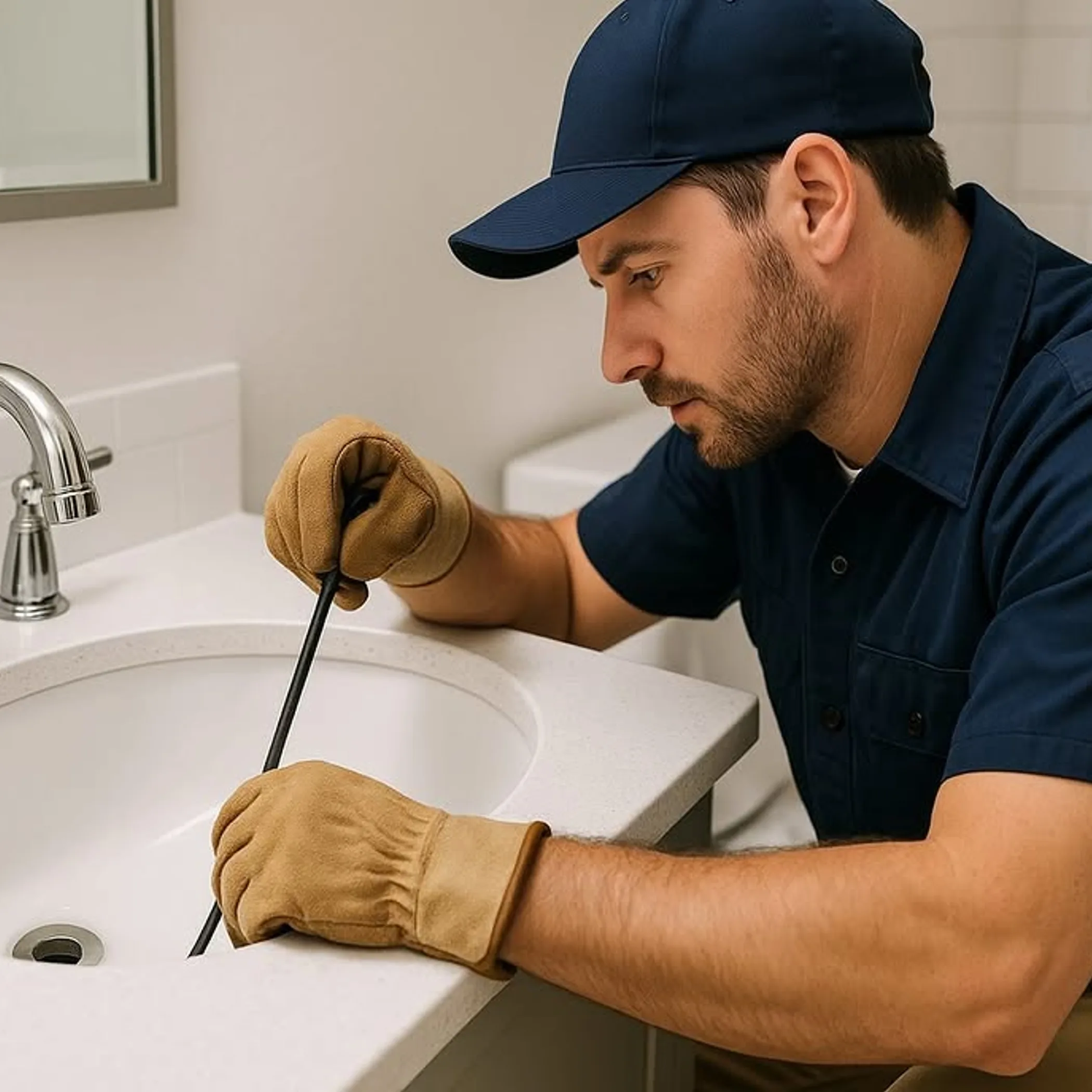
A slow sink can be put right by cleaning the trap, provided it is done safely and you can put the seal back in order. But when more than one fixture is backing up, put the washing machine and dishwasher out of commission and put in a call to a licensed plumber. Such shared problems are indicative of something downstream as opposed to a particular tap or basin.
- Do not put paper towel, nappies, wipes, oils or fats down the drain.
- Put strainers in your kitchen and bathroom wastes.
- See if a blockage makes a comeback after you have plied it with chemicals or a plunger.
- And leave the inspection openings where they can be got at, unencumbered by any garden structure.
Then there are chemical cleaners. They are a hazard to whoever has to open the pipe afterwards and can harm older materials. One does not need to resort to half a bottle of some mystery liquid to show a blocked drain who is boss.
Taps And Fixtures That Leak
It may appear a small thing but a drip from a tap is wasteful and will take its toll on the plasterboard, cabinetry and flooring. Older bathrooms and kitchens are prone to loose connections, a bad cartridge, corroded parts or a washer that has seen better days.
A hidden leak is another matter. They can go on for weeks with little fanfare. With all taps and appliances and the toilet shut off, put in a check of the water meter. Should it still be moving, let a professional do the testing instead of making suppositions.
Water Damage Of The Hidden Kind
Discoloured ceilings, soft skirting, vinyl that is lifting, a mouldy smell, paint that has bubbled or cupboards that have swollen are things to look for. A damp spot that comes and goes could have its origin in a wall pipe, hot water system or the bathroom. My rule of thumb is to make a note of when it shows itself and take a photograph, and do not think to cover it with new paint until you know why it is there. Paint is no substitute for plumbing, however much the tin would have you believe otherwise.
Tree Roots And Clay Pipes
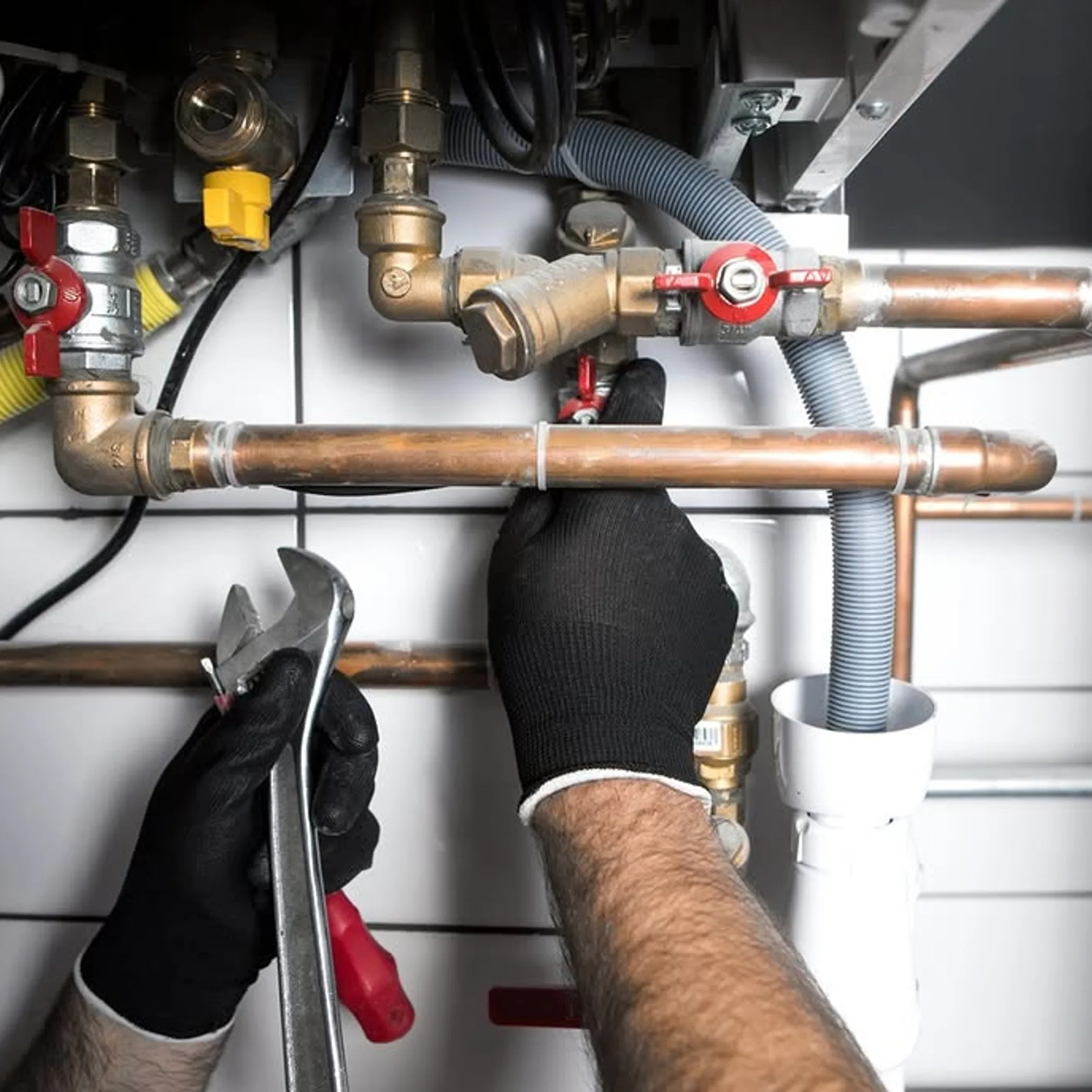
Terracotta or clay sewer pipes with a crack are an easy mark for tree roots which will make their way in through the joints and catch any debris. The soil can move and put a section out of true so water and sediment pool in the low spots.
You will be given warning by gurgling in the toilet, sewage smells at an inspection point, repeated blockages or an unseasonably green patch in the garden. An inspection with a camera will tell you if the pipe is in the process of collapsing or is simply dirty.
Garden Growth Needs Checking
As for the garden, do not write off the biggest tree in the vicinity as the cause without further thought. Roots will put in the miles to get to moisture and a lesser plant next to a compromised line might be the offender. Have a plumber assess the condition and route of the pipe before anyone starts digging up paving or removing plants. Cutting the roots is only a stopgap and will not mend a broken pipe; if they are back in short order then relining or replacement is the way to go.
Hot Water And Drainage
Older hot water systems will give you trouble in the form of leaking valves, noise and a drop in performance. If the hot water is gone in no time at all, the burner, element, tank or thermostat could be on the way out.
Any of these can present with drainage issues. Pooling water at the base of a unit or wet concrete and a relief valve on the leak should be attended to. Given the risk of scalding and the presence of gas or electrical components, leave them to those with the proper licence.
What To Anticipate In The Season
Heavy rain will lay bare any deficiencies in stormwater falls and gutters, and cold puts a strain on hot water demand. In New South Wales, Victoria, South Australia and elsewhere in this country the ground can shift after a dry spell or deluge and put pressure on old sewers.
Make winter preparations: see that the hot water system is accessible, outdoor inspection points are not under a layer of mulch and the stormwater grates are free of debris. In bushfire country, heed local safety protocols and do not impede access for repairs or an emergency.
Inspect And Maintain Older Plumbing
Some maintenance on an older system is only common sense. It allows a calmer approach to any necessary repairs and provides the plumber with information that will save him some diagnostic time.
Australian Building Codes Board is the source for national building and plumbing data; to be sure of local requirements, put in a word with your state authority or a licensed plumber. One should bear in mind that what is required by way of rules, licensing and approvals will differ from one jurisdiction to another, be it New South Wales, Victoria, South Australia or elsewhere in Australia.
A Simple Home Checklist
- Make note of the kind and age of any hot water equipment, fixtures and pipes on show.
- Have a look for dampness or signs of corrosion around the toilet, under the sink and in the laundry.
- See if the taps are running clear after being left overnight.
- You may hear unexplained water movement or gurgling in the drains, as well as a dripping tap or a toilet that has not been turned off.
- Do not let anything obstruct the meter, drain openings, isolation valves or the hot water system.
- In the case of a house with mixed or unknown pipework, have an inspection done prior to any large scale renovation.
A good professional will do more than review the pipe materials you can see; expect moisture and pressure checks, drain camera work and so on. Request a written account and photos and have him put forward separate options for any safety repairs that cannot wait, full replacement and work that is likely down the track.
Access Planning And The Cost Of Repairs
With an old house the cost of plumbing repair is not set in stone. An exposed tap is an easy thing to replace but excavating a sewer under a driveway or in a tiled bathroom is quite another matter. The bill can be made up of emergency call out fees, hard to get at locations, asbestos, traffic management and work after hours.
Be upfront with the quote about the property’s history, symptoms and access issues. Find out if the price covers putting right the surfaces, testing the work, disposal of damaged material and the like.
| Problem | First check | What the professional will assess |
|---|---|---|
| Low water pressure | Run through a few taps and inspect visible valves | Pipe condition, pressure test and valve |
| Blocked drain that keeps happening | See which fixtures back up | Clearing and a camera run |
| Brown water | A quick run of the cold tap and compare | To investigate supply, sediment and corrosion |
| Hidden leak | Put the meter to the test when nothing is in use | Moisture and leak detection |
| Roots | Any wet patches in the garden or blockages that return | Options for repair via camera |
When to consider trenchless repair
If a buried pipe is giving trouble and digging would be ruinous to a heritage surface, bathroom floor or an established garden, then trenchless methods have their place. It is not something that can be applied to any old pipe; location, diameter and alignment have to be looked at first.
The advantage over traditional digging is less disruption and a smaller job to put things back in order. But only if the pipe is amenable to it and the repair is fixing the fault and not just covering it up.
Practical questions to put to the plumber
Find out what the camera revealed, will the pipe be cleaned, is it a liner or a new section and how he will deal with access points. Get an idea of the warranty and service life and what is to be done in the event of a collapse or severe offsets. Trenchless is no magic wand; a badly misaligned or inaccessible pipe will still have to be dug up. Have the diagnosis in writing and weigh it against a conventional replacement.
Some FAQs
Online plumbing advice is replete with tidy rules that are of little use in a real home, so these are questions we get asked. The answer is contingent on the pipe, its situation and the local regulations.
What is behind most faults?
Corrosion, tree roots, poor installation, worn seals, soil movement and the general degradation of the pipe. In an older property there can be a number of causes at play and addressing the symptom does not necessarily resolve it.
The 135 rule?
There is no such thing as a 135 rule in plumbing that is the same all over Australia. Some may apply it to a drainage layout but it is best not to go by what is on social media for construction matters and have a licensed plumber make an assessment.
How long will my pipes last?
It is impossible to give a figure for all house pipes. Water chemistry, pressure, the quality of the install and exposure are all factors. Galvanised steel will tend to give you trouble before copper or PVC of good make, but the failure history and an inspection tell you more than the age.
Average age of a plumber?
Whether the statistic is for an apprentice or a licensed tradesman makes a difference. It says nothing about the quality of the work or the outcome. Look at the licence, insurance and experience with old pipework.
To repair or to replace?
If the rest of the pipe is sound and the problem is contained, a repair is sensible. When you have recurring leaks or a camera reveals damage across the board, replacement is the better course. Have both laid out for you with the risks and longevity of each.
Small problems should be kept small
A stained fitting or a slow drain will not sort itself out in an old home. Do not put it off until the public holiday. Note the warning signs and get a licensed plumber in if the fault involves gas, electricity, sewage or several fixtures. A little common sense in the way of inspections and repairs will keep an ageing system from becoming too dramatic.