Solar Panel Dust In Australia
One does not have to look far to see why dust and soiling are an issue for solar panels in Australia; a film of airborne matter is enough to starve photovoltaic panels of light. Energy production drops, payback times lengthen and you can get uneven heating on PV modules if it is bad enough.
There are no national rules when it comes to cleaning. A system close to the Lake Eyre Basin or a coastal abode where salt air is a factor will call for a different regimen than one on a Perth rooftop in Western Australia. For regional cleaning frequency advice, local conditions matter. I am Matilda Lawson and my experience with home and local business work has taught me that the onset is seldom dramatic. The panels are still shiny to behold but the electricity bill will seem to have a personal grievance with you.
What follows is a guide to dust on your panels, safe maintenance and the kind of energy losses one might expect from regional soiling. Do not read the percentages as a universal average for Australia; they are scenarios. Real losses are a function of system design, inverter performance, panel angle, shading and what the dust is made of, not to mention rainfall and when the soiling occurred.
How Soiling Reduces Solar Performance
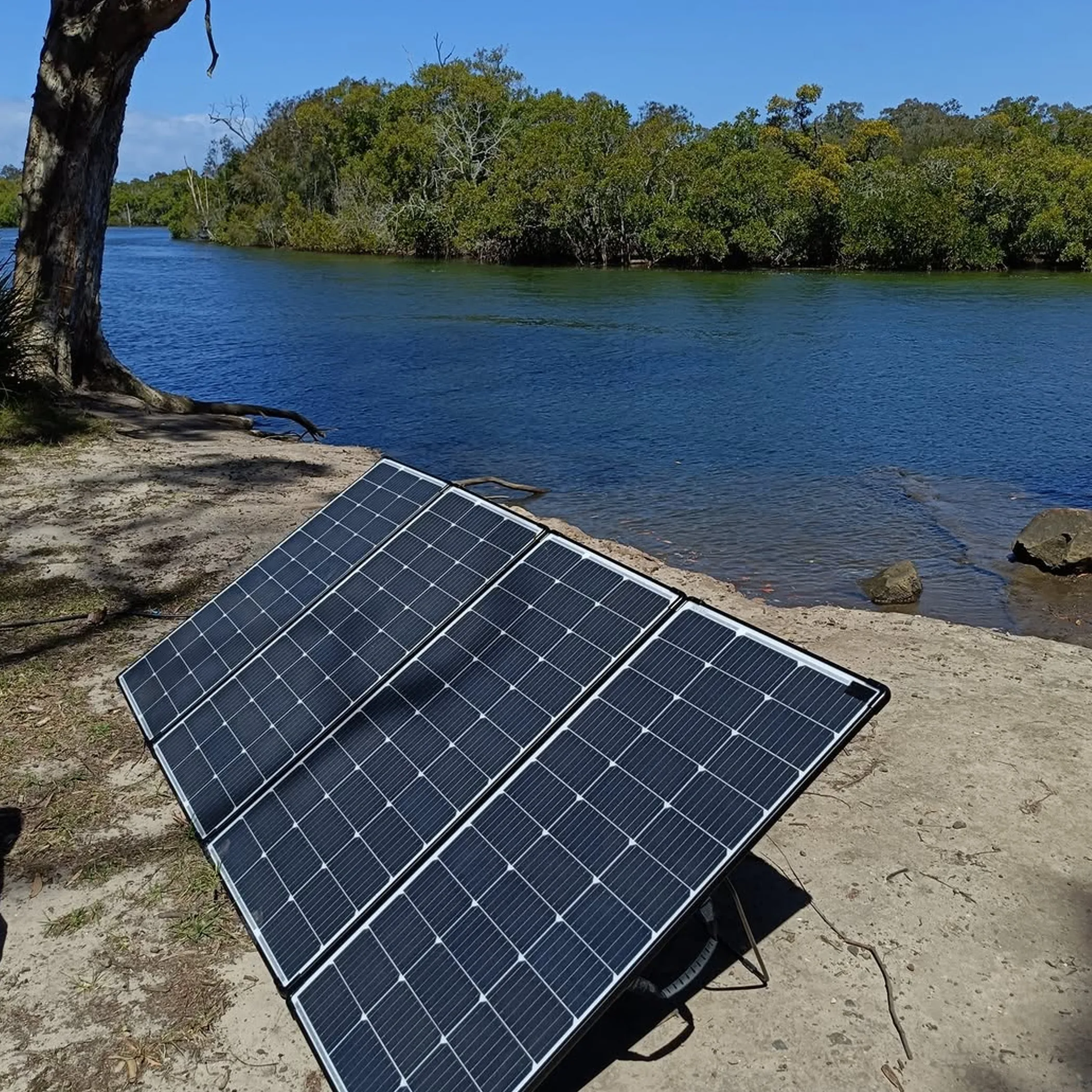
Whether it is pollen, industrial soot, bird droppings or salt, these and other particles will make themselves at home on the glass of a solar panel. They scatter and block the radiation from the cells.
A PV module need not be in showroom condition to do its job. But a layer that is allowed to persist, particularly in dry weather, will take its toll on power generation. You may put it down to rain but a light shower is more apt to leave a patchy film of dust than to clear it off.
From Dust Film To Hotspots
If the dust is uniform the panel’s output is reduced all round. Thick deposits, leaves and bird droppings are another matter as they can cast shade over part of a module while the rest basks in the sun. This can lead to an electrical mismatch and, under certain conditions, hotspots from localised heating. While ordinary dust will not automatically do this, do not let persistent debris go unheeded. After a storm or some time without rain, a visual inspection is worth making.
How Much Output Can Dust Reduce?
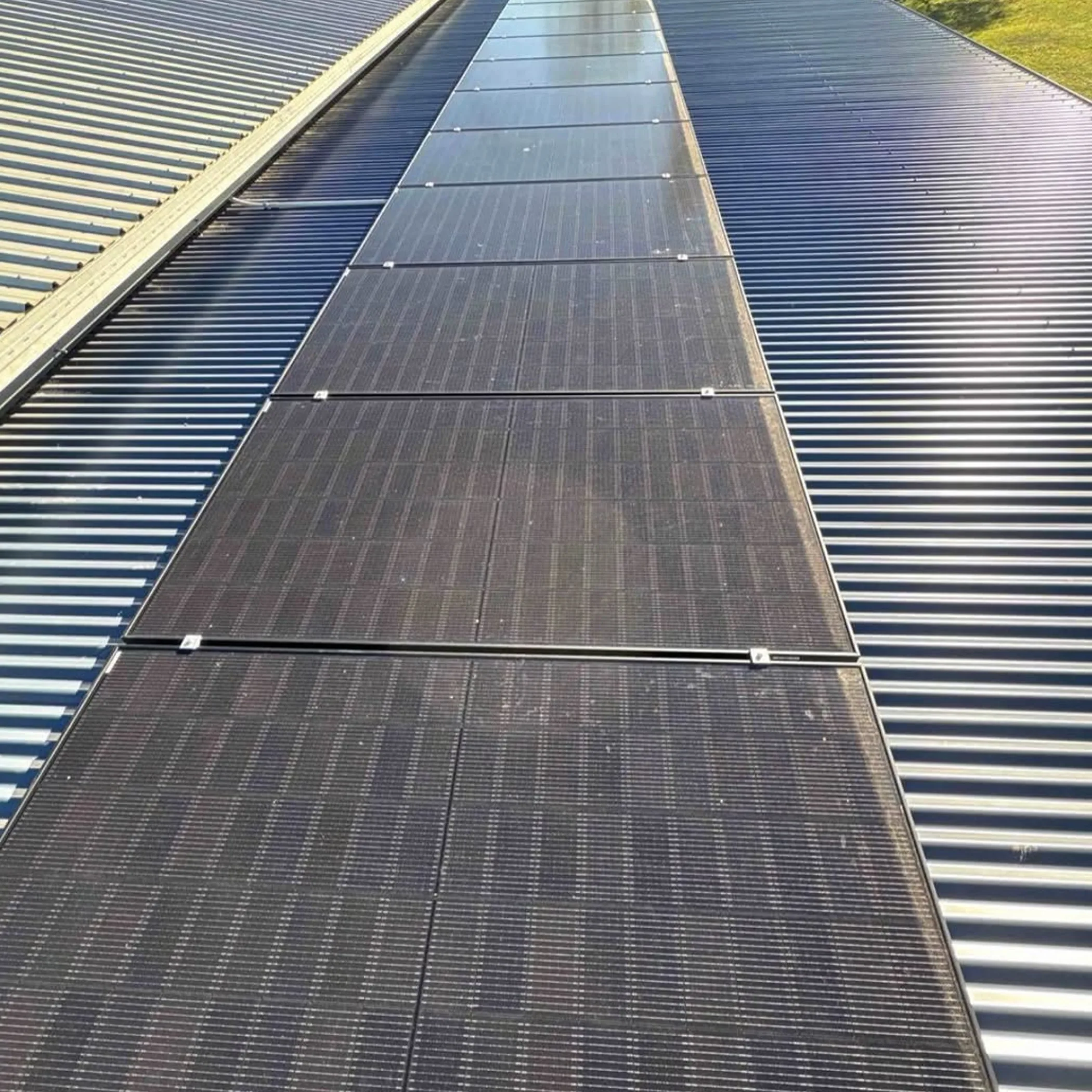
It is hard to generalise on efficiency loss. Some fine clay or ash will stick around and make a dent in your figures where a few days of dust then some good rain will not.
To put the numbers in perspective, take a 6 kilowatt system that puts out 30 kilowatt-hours on a fine day. At 5 per cent soiling that is 1.5 kilowatt-hours gone. Make it 20 per cent and the loss is 6 kilowatt-hours. These are not guarantees of what one will find in Australia.
| Illustrative Soiling Loss | Effect On A 6 Kilowatt System (30 Kwh) | What It May Suggest |
|---|---|---|
| 0–5 per cent | Up to 1.5 kwh less | Light dusting or a clean spot by the coast after some rain |
| 5–10 per cent | 1.5–3 kwh less | You will notice it in a dry spell |
| 10–20 per cent | 3–6 kwh less | Stubborn residue or heavy dust |
| More than 20 per cent | Over 6 kwh less | Time to review monitoring data and check for faults or soiling |
Some will tell you there is a 20 per cent rule for solar, as if it were a technical or legal requirement to clean once output is down by that figure. Consider it an invitation to have a look instead. Put aside a couple of comparable sunny days and see what the inverter says. There could be shading or a tripped circuit or an optimiser on the fritz.
Regional Dust Patterns Across Australia
The country is too big for any one timetable. Humidity, land use and the sort of particles in the wind will dictate soiling rates.
Researchers have their satellite and atmospheric data from Himawari-8, MERRA-2 and CAMS to track smoke and aerosols on a wide scale. That is no substitute for going up on the roof. Your panels are only concerned with what lands on them, not what a map of the region shows. The Australian Environment: Soiling and Maintenance
| Australian Setting | Common Soiling Sources | Practical Maintenance Pattern |
|---|---|---|
| Arid and Inland | Sources of soiling are to be expected in the form of fine dust, red soil, windblown sand and the odd dust storm. | It is advisable to make an inspection after any significant wind or when dry weather has been prolonged. |
| Coastal | Here one will encounter salt air, sea spray and humidity as well as bird activity. | Rain cannot be relied upon to clear residue; a check for any film of salt or likelihood of corrosion is in order. |
| Agricultural | Planting and harvest times, or unseasonably dry conditions, should prompt a scheduled check. Dust from the harvest, fertiliser, pollen and smoke are all common in these parts. | Schedule checks around these seasonal activities and conditions. |
| Urban | With road dust, industrial soot and construction material about, more frequent inspections are warranted. | Inspect particularly in the vicinity of building works or where the roads are busy. |
| Northern Australia | Seasonal shifts bring their own issues: wet season debris and the prospect of mould, or the dust and smoke of the dry season. | The system ought to be reviewed on either side of such changes. |
Dust in the Inland
Low rainfall, exposed soil and strong winds are a given in much of inland Australia. While the Lake Eyre Basin is responsible for moving dust over a wide area, local earthworks and unsealed roads can be just as troublesome at your doorstep.
Recurrent settling of fine particles between rains will take its toll on solar panel performance in a dry climate. One cannot make a state-wide generalisation with the differing local conditions found in the Red Centre, the Pilbara, the dry interior of Queensland, South Australia or inland New South Wales; it is better to deal with each property on its own merits.
In the wake of a dust storm
Resist the urge to get on the roof right away. There may be loose tiles or damaged flashing put there by the wind, not to mention fallen branches or access equipment that is no longer stable. Stand on the ground and see if the panels are coated, if the inverter is showing a change in output or if the gutters have taken on some unusual debris.
Should a professional be called in, give him the full picture on access. Be specific about the pitch and height of the roof, any fragile surfaces, locked gates, dogs, solar batteries and where a ladder can be put down without hazard. If the site is remote or the roof steep, or the panels need testing post-cleaning, expect the technician to put in a few hours and not make a quick visit of it.
Humidity and Salt on the Coast
There is a different kind of nuisance for coastal panels. Humidity will make particles adhere to metal and glass and the salt air puts down a film not unlike dust.
Do not count on a light shower to do a proper job of cleaning near the coast; it can dissolve the salt only to leave a residue once the water has gone. Then there is the matter of corrosion to frames, fixings and cable connections, though how serious this is will be dictated by the quality of the product and its exposure.
An abrasive pad or harsh chemical is never the answer to a salty mark on a home’s panels, as scratching the glass is a maintenance headache for the future. When the surface is hazy and output is down, have a qualified solar professional come and look at the mounting hardware and the panels.
The North in Wet and Dry
The dry season in the north leaves its grime, dust and smoke behind, the wet season delivers the rain, humidity, leaves and the makings of mould. From November through April a cyclone alert will alter the calculus for any work outdoors or on the roof.
In northern Western Australia or the Top End it makes sense to do an inspection prior to the wet season, provided it is practical and safe. But after a big storm, wait for things to settle. A lightning strike in the offing, a wet roof or a compromised ladder means it is not to be done, however tempting the electricity bill may be.
Seasonal Timing
On a stretch of clear days in the dry season put the energy output under review for any slow decline. With the wet season come and go, do not presume a module has been washed by every shower; a ground level inspection after a storm is called for.
For the technician making his way up the Stuart Highway or Gibb River Road, fuel, spares and communications have to be sorted. An isolated system is best serviced in conjunction with other business on the property instead of a hazardous trip out for a cosmetic wash. This official guide on panel maintenance highlights how dirt accumulation directly reduces electricity generation efficiency.
What comes from the farm or city
Soiling in an agricultural setting can be intense and brief. Fine soil and pollen from flowering vegetation will find the panels, as will the dust from harvest traffic. Burn-offs and bushfires add their smoke, but ash and soot are a contamination of another order.
One does not see urban pollution to the same degree but it is there in the way of a sticky film made from moisture and road or industrial soot. A system in a quiet part of town will not require the attention of one next to a car park or new subdivision.
A common mistake is to put off cleaning until the panels are visibly soiled. One should look at performance, the weather and how they appear for a more telling picture. Should the monitoring app register underperformance on an otherwise clear day, do not be quick to lay it at the door of dust; have a closer look.
Reducing Dust-Related Losses
Measurement is where a sound maintenance plan begins. Put down the energy output on a daily or weekly basis, make a note of any dust storms and then do a like-for-like comparison of the weather. You will not find a good excuse in a cloudy winter’s day to fault the panels when set against a summer one.
- Make an inspection from the ground in the wake of a storm, harvest work or some time without rain, or if there is construction in the vicinity.
- If it is safe to do so, trim back trees to limit the soiling from leaves and pollen as well as birds.
- Rely on system monitoring for any sudden faults or a pattern of poor performance.
- Before going up on a roof that is steep, fragile or multi-storey, have a risk assessment done.
- Any electrical matters, be it a battery issue, damaged cabling or a suspected hotspot, are for a qualified solar professional to handle.
- Anti-soiling coatings are worth a discussion but they are no substitute for an inspection.
As a rule of thumb, 12 to 24 months between professional cleans is reasonable for most households, though not all. A property on the coast, in an agricultural area or close to building work may call for more regular checks. The same goes for a steep or shaded roof where debris and water are not so predictable.
Take the regional advice on cleaning frequency and then let your own data and the local weather dictate any changes. Say you are out AUD 200 for a clean and get back 10 kilowatt-hours a week for half a year, that is 260 kilowatt-hours of recovered energy. It is a matter of whether the tariff and export rate justify it.
Logistics Of Cleaning
One does not walk on solar panels. And unless the manufacturer gives the go ahead, leave the pressure washer, solvents and abrasive brushes alone. Add in a wet roof and you have a hazardous mix with ladders and electricity.
A professional can often do a simple job of it in one visit for a single-storey home with easy access. But factor in a long driveway, a remote site, difficult parking or a battery system and the costs for labour and equipment will be higher. Get an itemised quote in AUD before anything is done, covering waste disposal and electrical testing.
When putting together a plan for roof work in an area subject to cyclones or storms, the Australian Bureau of Meteorology has the climate and weather information to check on wind, rainfall and warnings.
What You Expect And What Happens
You might think a hard shower will see to every panel. In fact the rain will only wash away loose dust and put down its mark with streaks of mud, salt or bird droppings.
A 20 per cent decline is taken by some as proof of dust. More likely it is an inverter or wiring problem, shading or degradation of the module.
A dry cloth seems an easy way to fix things but it is apt to score the glass with grit.
Some believe monthly cleaning is de rigueur for a solar owner. In truth, with the right angle and rainfall, losses are kept in check and you are just wasting money and water.
FAQ: On Soiling, Dust And Cleaning
The sort of thing I am asked about when people want to safeguard their investment and not make a part-time occupation of the roof.
The 20 Per Cent Rule For Solar?
There is no such universal rule. Treat a 20 per cent reduction as something to investigate. See if there is dust or shading on comparable clear days and if it persists, have it tested.
Can Dust Be An Issue?
It can. By blocking and scattering radiation dust will cut your output. How much depends on the deposit and the size of the particles. Light rain will not dislodge clay, ash or industrial residue.
Why Some Are Parting With Their Panels
Roof replacement, moving house, storm damage, age of the system or simply not being happy with what it puts out. Not because of dust; that is no reason to jettison a working system. Look at your monitoring and inverter first.
Health Risks?
Not in normal operation but that is no invitation to clamber on the panels or tinker with faulty electrics. Falls, electric shock and heat are the practical dangers. Have a qualified person do the work.
How Often In Australia?
No national standard. After a smoke event or a spell of dry weather, have a look. Most can get by with a professional once a year or two but measured output will tell you if a coastal or inland site needs more.
In short
Dust is a reality for solar in Australia but the response need not be to panic or scrub endlessly. Check after odd weather, measure the output and regard roof access as a safety matter.
For a home in Adelaide or Perth, or a system in the Lake Eyre Basin, the best approach is local and evidence-based. Boring, perhaps. But boring is what keeps the photovoltaics in order and the kettle on with less risk to anyone.