One does not have to be a bushman to know that crocodile safety is no mere piece of trivia when you are camping in the remote parts of Australia. These are the fundamental rules that see you back home in one piece. The same goes if your camp is in the Top End, Far North Queensland, Cape York or the Kimberley, or anywhere in the north with tidal rivers and billabongs: unless told to the contrary by authorities, work on the premise that there are crocs about.
I am Matilda Lawson and I will be plain about it: keep your distance from the water, do not go swimming in their territory, heed the signs at the campground and put away your fish waste and food properly. Make sure children and pets are under a watchful eye and pay more attention to what the rangers say than to any talk around the campsite. You will find most run ins with a croc are because people have been too casual at the water’s edge, be it for a wash up, to put in a boat or take a short cut at dawn or dusk, and all too often while fishing.
Why It Is Important In The Bush
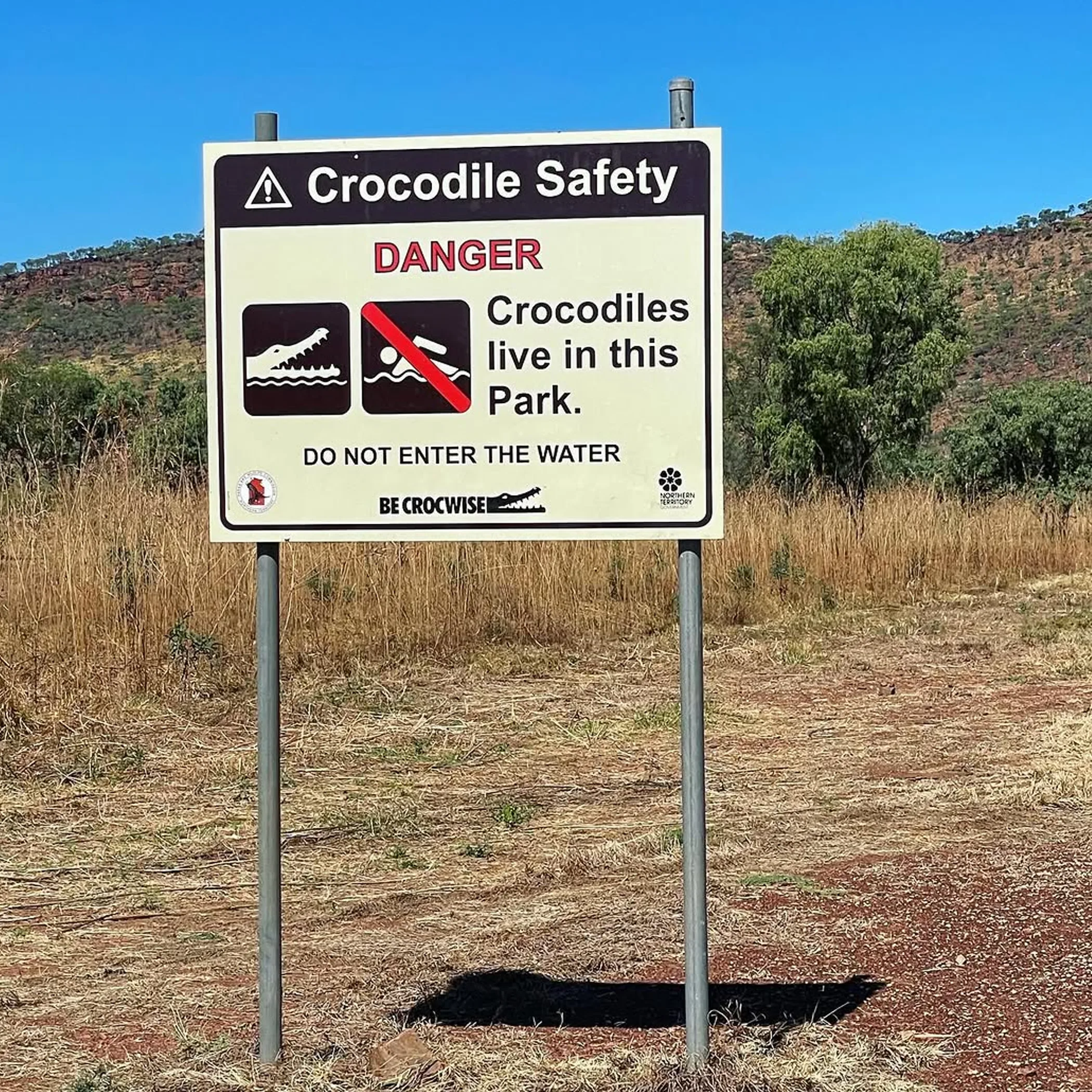
Camping out in the open is fine until someone has the notion of making a riverbank into a picnic area like they would in the suburbs. Not how things are done in northern Australia. A creek may be pretty, a boat ramp quiet, but it is still habitat for a croc and that is where you get caught out.
There is a tendency to think of saltwater crocodile safety when in this part of the country, but the error is to believe the estuarine croc is only to be found in an obvious estuary. After the wet season has done its work they will be in the freshwater systems, floodplains and rivers. And in the bush reception can be non-existent; help is not five minutes down the road.
The advice you will hear from public safety officials in the north is consistent and straightforward: be croc-wise and don’t put yourself in harm’s way near water. Should conditions alter with rain or a reported sighting, the parks and wildlife agencies in WA, the NT and Queensland will put out updated warnings and closures.
Where To Expect Them
A good camper is not necessarily the boldest. He is the one who sees suitable habitat and reckons there could be a crocodile. That way of thinking preempts any foolishness.
High Risk Areas
In crocodile country one should have a broad outlook. There is risk in the Mary River district, Kakadu, the Top End, much of the Kimberley and Far North Queensland. You will find them in the vicinity of Cahills, at river crossings and coastal inlets, or on campgrounds adjoining a floodplain.
Then you have the likes of Drysdale River National Park or some of the rougher tracks in the Kimberley which will put you hard up against a watercourse with little to see. At Stray Creek Campground or any other stop by a creek in the north, the sign is not as telling as what is around you. If you see reeds, mud, fish or animal tracks, or feel the tide, give the place the respect it is due.
Things Overlooked
Folks make the mistake of being cautious only after they have seen a croc, at which point they are already in the wrong. Look for the local indicators:
- Belly drags or slide marks on a steep bank
- Boat ramps and billabong edges with poor visibility
- Any bird or fish activity in the shallows
- Signage or a notice from the rangers
- And those backwaters left over from the wet in a creek line.
For my part I consider any body of water in the north suspect until official advice says otherwise. Even a creek that “looks too small for a croc” is reason enough to put away your folding chair and put some space between you and it.
Risk Around The Camp
Campers have a way of imagining the danger is out in the middle of the river. More often it is at the edge where they are boiling the billy and the kids are off wandering, or where they fill a bucket and put the dishes on to wash.
Active Hours
You can expect a crocodile to feed and move at any hour but you need to be more careful in the low light of night, dusk and dawn when your own alertness wanes. In the wet season the water will encroach on areas that were safe in the dry and the banks will not hold their shape. Do not rely on some recollection of a trip from years past; a crossing that was as flat as a pancake last time around can be another matter entirely after king tides or rain. Water is a different proposition in the north, it has its own rules.
What Brings Trouble to Camp
Crocs will be drawn to food and any kind of movement or easy pickings. It is an own goal to put fish frames down by the camp or wash your bait into the shallows, as is cleaning your catch on the bank. Allow a dog to run the shoreline at your peril; the pet may well draw a croc and then lead it back to where people are.
| Risk Point | Why It Matters | Safer Option |
| Camping in the vicinity of water | Cuts short your reaction time should a croc be about | 50 metres is the mark if the terrain is amenable |
| Fish cleaning on the shore | One spot for all the activity and scent | Designated facilities, or clean up away from camp as the rules dictate |
| Unsupervised children | Their size and unpredictable ways are a risk | Do not let pets or children out of your sight |
| Swimming / wading | You are putting yourself in a croc’s habitat | No swimming in this country, do not be put off by the locals’ easy manner |
| Boat launch at dusk | The shoreline is busy and hard to see | Make of it a daylight exercise and be quick about it |
Do Some Planning
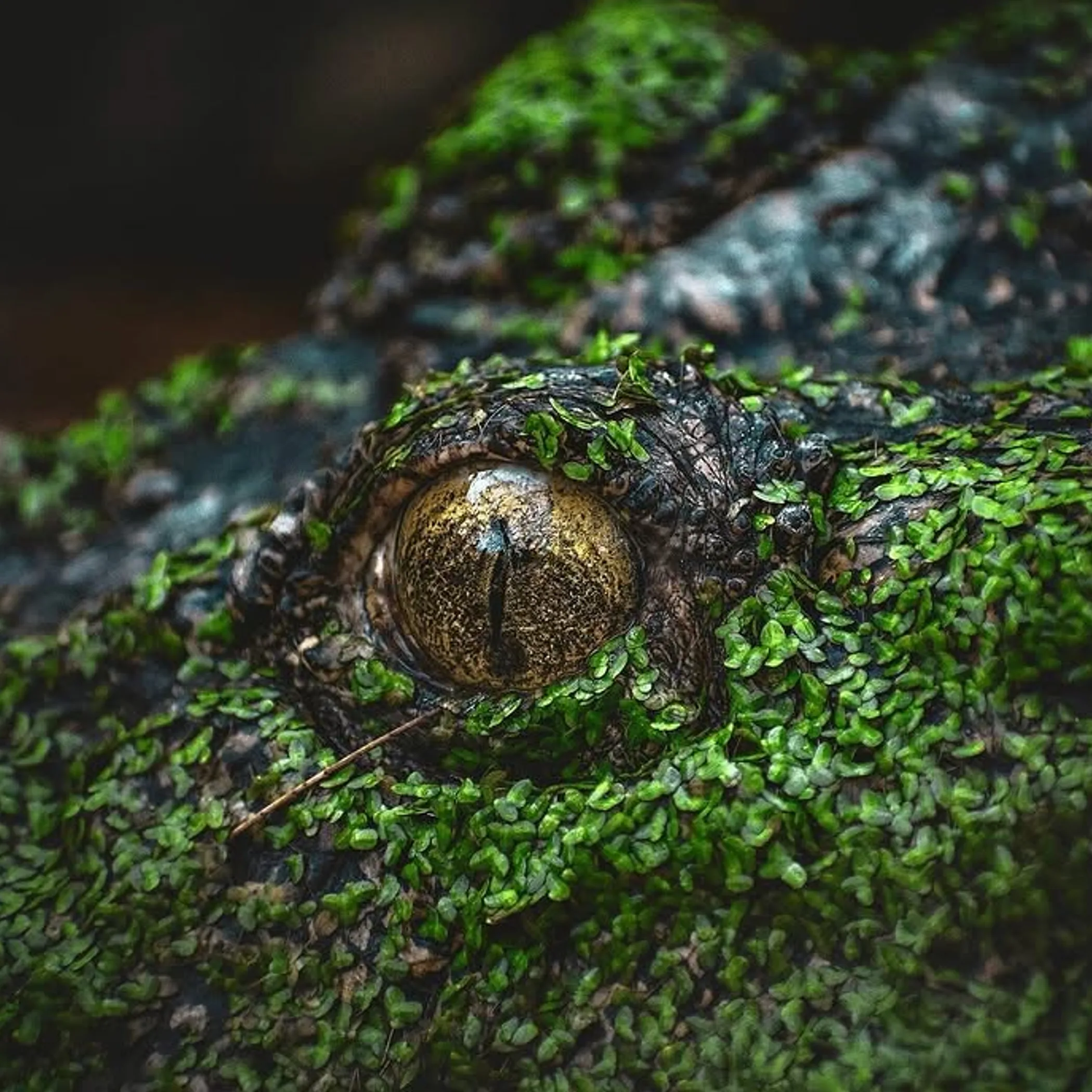
Sound advice on crocodile safety in a campground is had before one is on the Stuart Highway or Gibb River Road. For a remote outing you want to have the latest local word on any closures or flood damage, ranger warnings and the like, and the necessary permits.
Warnings And Access
Those making for the NT would do well to read up on the Government’s current crocodile safety advice. “Be Crocwise in croc country” is the official line for good reason: what was true when we put pen to paper may not hold with conditions and sightings as they are now.
In the case of NT national park campgrounds, see if rain or wildlife management has put a stop to access on certain roads, river crossings or in the camp zones. With Kakadu and elsewhere, a ranger station or park alert will tell you more than an old blog or some tale told over a servo pie a few weeks back.
On Permits, Costs And Timing
An Aboriginal land access permit, a booking or an NT Parks Pass could be in order. Fees are a matter for the official service to confirm as they differ from park to park. Then there is fuel, which in the bush can be a steeper cost than a permit, and a closed crossing means hundreds of kilometres of detour.
Spend a day in an area with crocs and make for a managed campground with proper facilities and recent oversight from rangers. Free camping by some unmarked water is not the place to be romantic.
A Wiser Campsite
The best looking site is not necessarily the right one. In croc country you will find the shady spot by the bank to be a poor choice. Put in for a less picturesque piece of ground further back; you will be glad of it rather than having a picture of your swag by a creek you ought to stay clear of.
Elevation, Distance And Layout
To keep 50 metres from the water is standard Top End advice. It is a practical buffer, no magic shield. If the bank is low or you see signs of animal traffic, put more space between you and the water. Take the high ground and have a clear view. Stay off game trails and eroded banks and away from the mouth of a creek. Use the designated areas. The signage at a campground is there for something, and in these parts that is usually more compelling than a travel error.
Rooftop Tents, Swags And The Like
There is comfort and better airflow with a rooftop tent but it is no substitute for a crocodile strategy. When you have to get down for the dunny at 2 o’clock in the morning and are too close to the bank the problem is still there. Nor is it wise to tuck a swag behind the reeds because the sunset view was nice.
For those without the confidence to plan their water access and read the terrain, rough bush sites near a watercourse are not for beginners. Stick to the established campgrounds in a managed park.
Food And Waste
Leave enough odours and scraps around and a campsite is no longer peaceful. Crocodile safety is as much about what you put down as where you are standing.
Disposing of Bait and Fish Frames
There is a method to the straightforwardness of our fishing safety crocs advice. Do not make a habit of cleaning your fish in places you also swim or camp, or where one is apt to be standing by the bank. If you are in crocodile country, the wiser course is to forgo swimming entirely. As for getting rid of bait and fish frames, see to it that you use the bins or disposal points put out for the purpose and abide by local regulations.
Shallow water at shore access points, campgrounds and ramps is no place to throw scraps. You are only training wildlife to link food with people and to come back time and again; hardly what one wants at a remote camp.
Camp Kitchen Habits
Have order in the way you cook, put the washing up away and store your rubbish. Put waste in bags and use sealed containers. Should the bins be full as sardines or non existent, take the rubbish out. And do not let an esky, some dirty pans or left over scraps lie about overnight if there is water in the vicinity.
Treat Water As Off Limits
Travellers have a way of making exceptions for themselves on this score but they should not. When we say no swimming in croc country we mean it, even if the water is calm, shallow, freshwater or seems “probably fine” and much frequented.
Rules For The Shore, Boat And Fishing
The same saltwater crocodile precautions hold whether you are in a boat or on the shore. Step back from the edge to cast. Hands, feet and fish should not be dangled over the side. Make quick work of launching and retrieval and stay off the ramps when it comes to fish cleaning. In tinnies or otherwise, have children seated well clear of the edges.
On a boat you will want to steer clear of narrow creeks or snaggy channels with overhanging banks where one might be tempted to stop. At a well used spot such as around Cahills, complacency is what you have to watch out for. It does not become a custom to be emulated just because others are being foolish.
Expectation Vs Reality
“Should be all right, it is a freshwater spot.” That is the expectation. But estuarine crocodiles have little regard for such notions, particularly after a flood or heavy rain. Or the thought that a croc would have been put in its place by someone else. Wildlife management is done, of course, but crocs will put down in new areas and come and go. Heed the current warnings, not any old reassurance.
When To Act
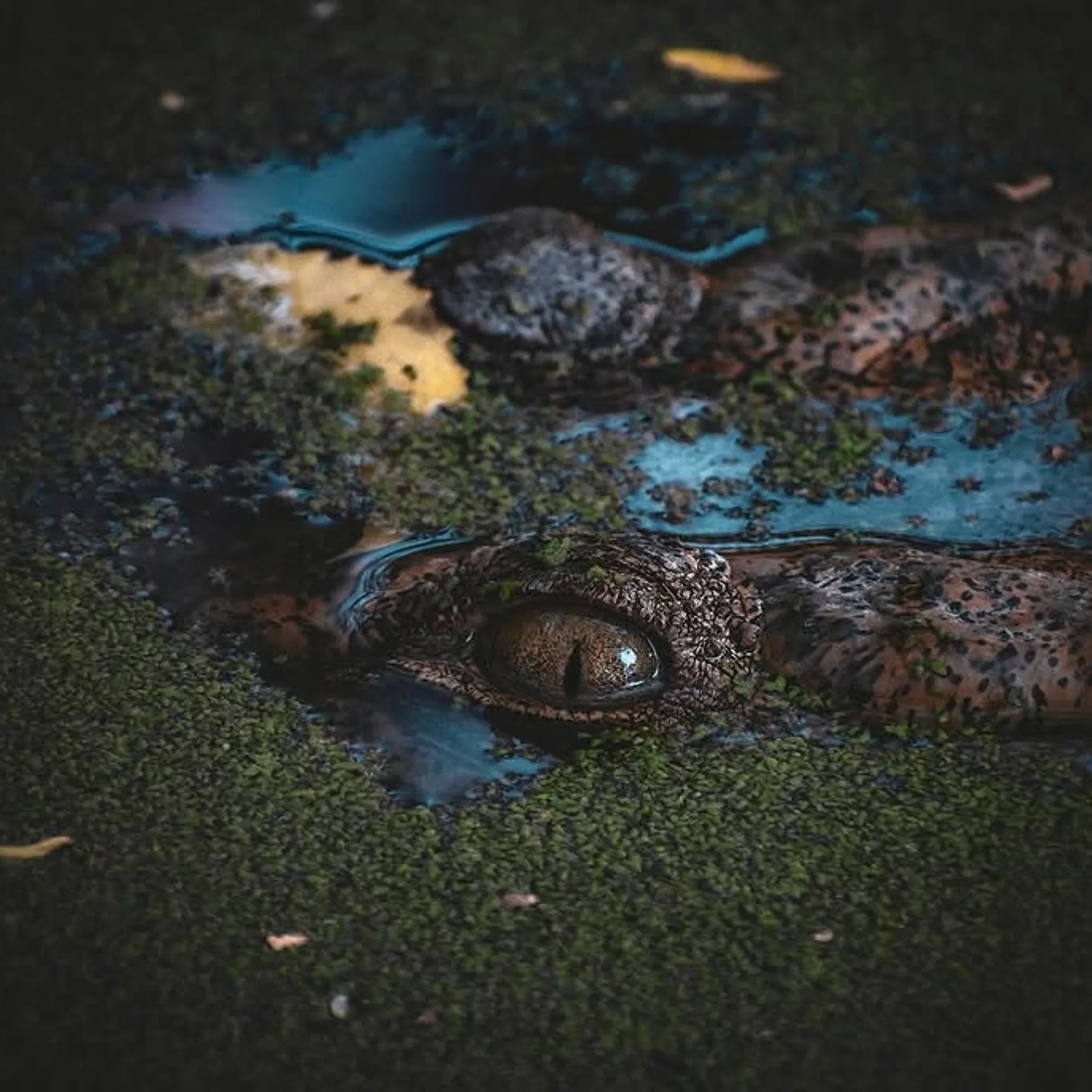
A sense that something is amiss calls for prompt action: put some space between yourself and the bank, get the children and pets under control and let the other campers know. In the Australian bush a near miss is a reportable matter of safety, not an anecdote to be told later in the tinnie.
Spotting A Croc
Make your group put in some distance from the water forthwith. No feeding, hazing or going in for a closer inspection. Jot down the time and location and a size estimate, provided it is safe, and any inclination the animal has towards boats, people or where you have been cleaning fish.
Get word to rangers or the wildlife authority. In a park they may put out restrictions for other travellers based on what you tell them. Out in the field where there is no signal, put it in writing and make a report at the next roadhouse, township or ranger station where you can make contact.
An Emergency
First aid in the remote is uncompromising in its simplicity: remove the person from harm’s way, staunch any bad bleeding and if you can put through to emergency services, do so and brace for an evacuation that will be delayed. In isolated terrain a PLB or sat phone is worth more than any confidence one might have. Floodwaters have a way of cutting off the roads and you cannot be sure of the timing of a retrieval. Clear the shoreline of all persons and make sure every child is where he should be.
Should the situation allow, put pressure on any major bleeding and administer first aid at once.
There is no time to lose in putting in a call on the sat phone or PLB, or whatever emergency contact system is to hand. Once done, notify park authorities and emergency services of what has happened. Under no circumstances are you to go back for gear in that area until the authorities have given the all clear.
Local Advice That Counts
You will hear plenty of talk about crocs in the northern campgrounds. A measure of it is sound advice; some of it is as good as the bait packet in the bin. The art is in discerning who is worth listening to.
Who To Listen To
Let the word of an NT Parks ranger or the official Crocwise messaging, not to mention the signage at your site, have precedence over travellers with a story to tell by the camp kitchen. Queensland and Western Australia’s marine and wildlife authorities would say the same. A mate may regale you with something from a trip years ago under other conditions but his tale does not hold a candle to current, location-specific information.
I have observed a certain type of traveller who is not afraid to put in a few dull questions up front: is this cleaning area still in use? Has the wet season altered this bank? Where can one access the water safely? It is the kind of thing that averts trouble. Those looking for a shortcut or a better angle for a camp photo are the ones who tend to get caught out.
Final Campfire Takeaway
Being safe around crocodiles is a matter of discipline, there is no need for bush bravado. When camping in the more remote reaches of northern Australia one must operate on the premise that crocs are about. Keep back from the water, see to it that food and fish waste are put away, do not swim, have an eye on the children and pets at all times and look over the local warnings before making camp.
As Matilda Lawson would put it: croc-wise habits are hardly dramatic but they are effective. You will have a better time in the bush if you let the rules do their work instead of haggling with them.
Frequently Asked Questions
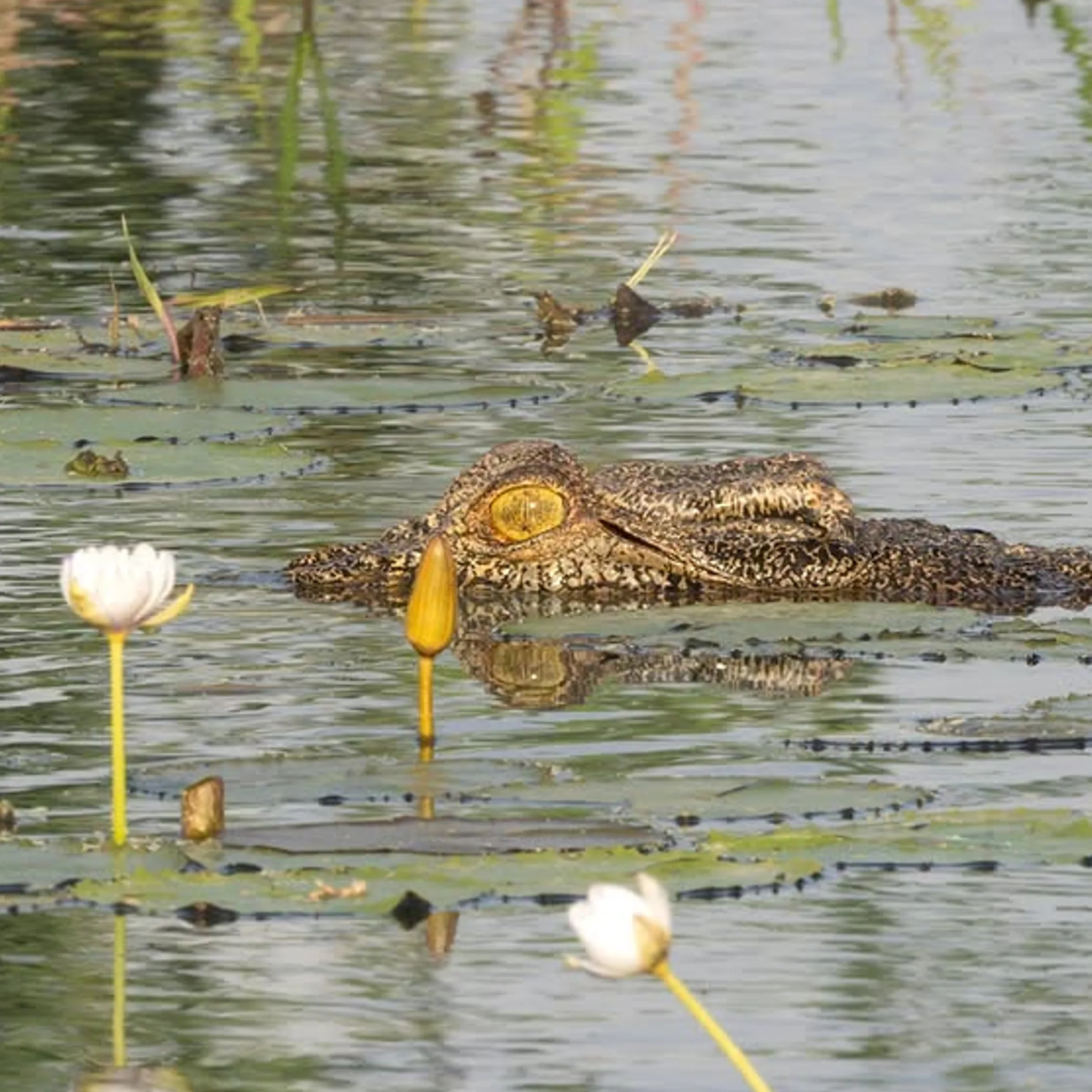
The following are asked with some frequency, a couple of them when the dry season has everyone in too relaxed a mood.
What Is The Most Croc-Infested River In Australia?
You will not find an official national ranking to put the matter to rest and “most croc-infested” is a term for the pub rather than a management classification. The Top End has its share of rivers and floodplains with sizeable populations of crocodile, the Mary River system for instance, but it is unwise to pin the risk on a single name. Consider any habitat in the north to be potential crocodile country.
Can I Outrun A Saltwater Croc?
Not something to build a safety plan on. They are quick over short distances when striking. Prevention is the only sensible course: keep off the edge of the water and do not count on having a second chance to respond to risky behaviour.
What Of The Cage Of Death At Croc Cove?
A Darwin tourism operation that has you in a transparent box to see some large specimens in a controlled way. Do not mistake it for a model of how to behave in the bush and think wild crocs are so predictable. There is all the difference in the world between a managed attraction and a remote campground.
Can Aboriginals Hunt Crocodiles?
That is a question of law and culture, subject to the jurisdiction and the circumstances. Travellers would do well not to form an opinion on hearsay. For the legal facts, go to the state or territory government authority, not the opinions being proffered around the campfire.
Are Freshwater Crocodile Areas Safe For Swimming?
Make no assumptions. One can be mistaken in identification or the site can change. In much of the north you are better off not swimming in crocodile country unless it is an area that is open, under management and officially sanctioned as safe.
Related guide: exploring NT national park campgrounds.