The biosecurity precautions for agritourism visitors in Australia in 2026 involve three straightforward habits: declare what you bring; arrive clean; and follow the farm’s instructions. These things help protect Australian livestock, crops, soil, native environments and the people who work around them.
I’m Matilda Lawson, and I’ve learned that the small practical details tend to matter most when you are visiting a farm. Clean footwear, check-in process at the farm and keeping away from production areas can save you from an unexpectedly big headache. Little preparation is always the key to avoid realizing that your muddy hiking boots are not the welcomed guests.
Why Farm Biosecurity Matters
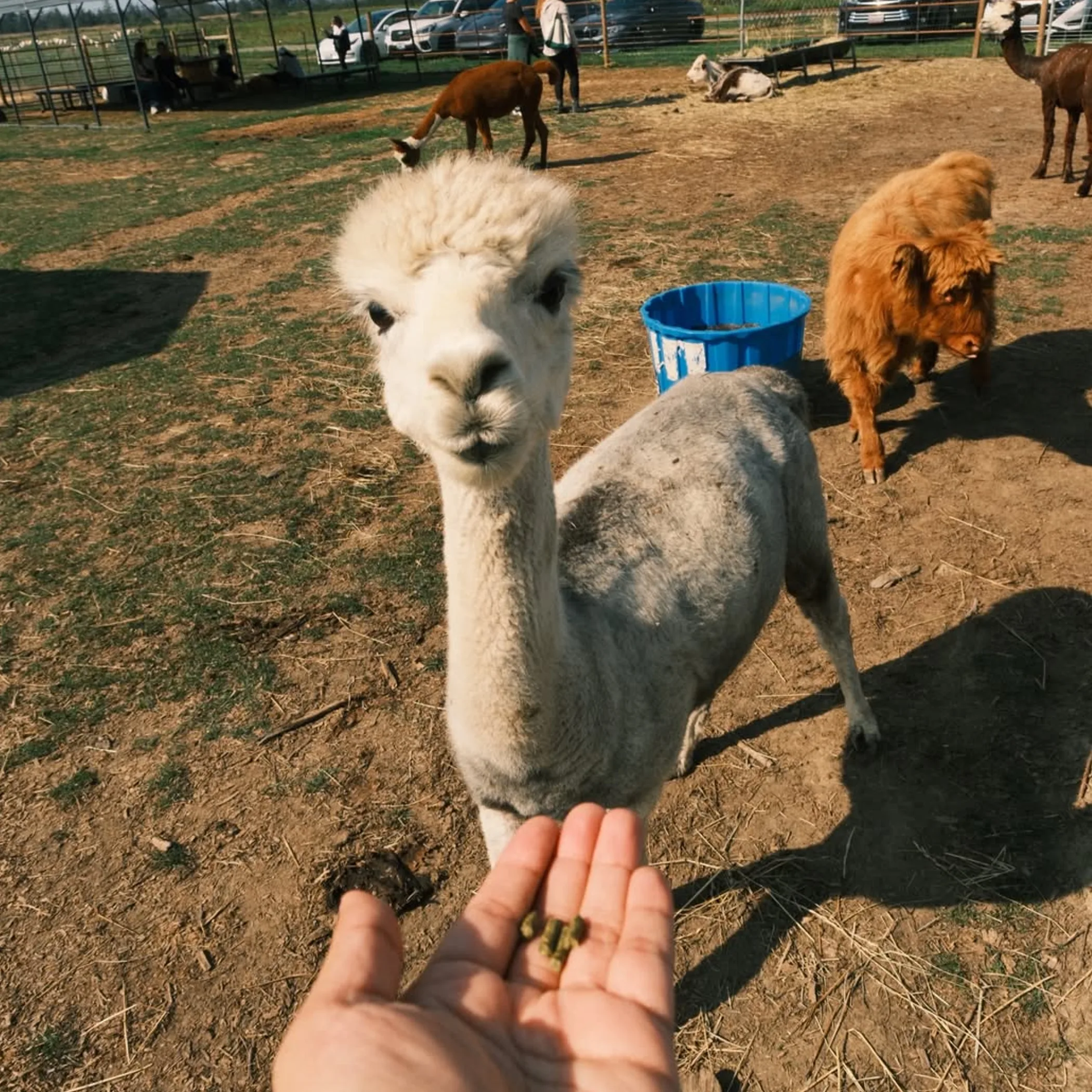
Australia’s farms are located in a geographically isolated part of the world. However, isolation is not an invisible shield. Soil, manure, seeds, insects and animal diseases can travel via footwear, clothing, vehicles, equipment and food.
A farm visitor might visit the farm for a cheese tasting, an orchard visit or a school field trip and may not even see a production paddock upon getting there but may unwittingly carry a pest or a disease from one location to another. Australian farm visitor biosecurity practices and farm visit safety essentials help to maintain the farmers’ livelihoods and animal wellbeing, and food production in regional areas.
Five Practical Protection Steps
People often ask about the components of biosecurity. A visitor would find a handy order of those components in the terms of prevention, preparation, exclusion, early detection and reporting. It should be made clear that these components do not replace the farm’s own procedures, but they help understand the reasonunsound practices.
The prevention is about minimizing the chances of carrying any pests or diseases onto a property. The preparation is about understanding the farm’s rules before arrival. The exclusion is about keeping visitors and vehicles out of sensitive production areas. The early detection is all about noticing any signs of unusual sickness, damage to to plants, etc. The reporting part is about notifying the farm operator upon discovery.
Biosecurity Rules For Travellers
Australia’s border checks take place before a visitor arrives at an agritourism property. International travelers have to comply with the arrival instructions, fill up the Incoming Passenger Card and declare food and agricultural items effectively.
The easiest way to deal with food items is straightforward: declare it if you are in doubt. Explain what it is, the border officer will evaluate the component. Not declaring something if it seems non-harmful can cause more discomfort than losing a snack or a pair of dirty boots.
Declare Food and Farm Items
Australia biosecurity requirements for travelers cover food, plant material, animal products, soil, and other farm-related items. Items like meat or dairy may not be brought to Australia.
Travelers should remember that the biosecurity rules have nothing to do with visa requirements. Although a visa can grant access to Australia, it does not guarantee the entry of food, plants, animal products, or contaminated machinery across the border.
Get Ready Before The Farm Visit
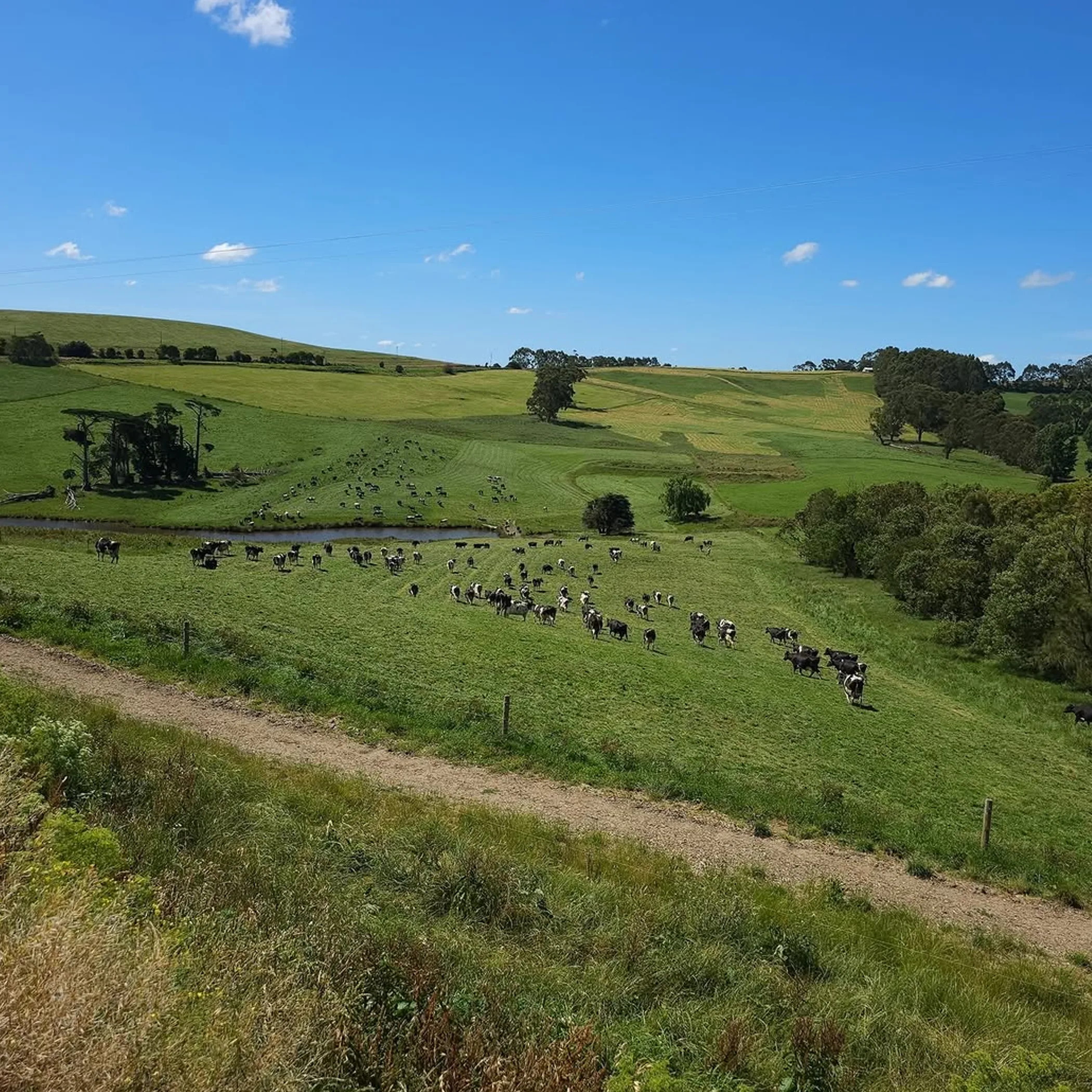
The most effortless farm visit is one that occurs before anyone engages the engine. Make connections with the property, find out the present state of affairs, and determine whether visitors must do a farm check-in, sign a visitor record or put on safety gear provided by the farm.
Weather can affect risks quickly. In the Top End and parts of northern Western Australia, wet season weather can abruptly transform tracks to useless mud and rapidly boost the chances of transferring soil from one area to the next. In dry times, dust and seeds may stick to footwear or clothes. Seasonal bushfire closures may influence accessibility in southern parts.
Pack For Clean Access
Use clothes and shoes that can be cleaned rapidly. Closed shoes are preferable over sandals when animals are involved and on rugged areas. Ask the farms if they offer dedicated visitor gumboots and use them rather than using your own.
When you are leaving your home, check everything from where you have been for soil and other residues before coming to the farm. Best practice would involve cleaning your car’s floor mats if you gone on visit to another farm just before. Always restrict food, bags and personal belongings to the location that the operator has designated instead of leaving them on the ground.
Prioritize operator arrival briefing, marked visitor spaces, and cleaning before departure for a one-day visit. Ensure extra time allocated for children and hand hygiene. Children are particularly good at locating the one area that has accumulated water.
Adhere To Visitor Expectations
When you arrive at your destination, listen to farm operator before taking photos, moving near animals, or walking towards a cabin. Of course, a working farm is not a petting zoo, there are dangerous tools and crops to contend with.
Visiting biodiversity support guidelines exist to control the movement and to enable contact tracing should pests or diseases be outlined in the future. Accepting the operator’s directions for a check-in is not just a paperwork burden. It provides the operator with information on who was present, when they entered the farm and where they traveled.
Be Respectful and Stay in Designated Areas
Keep strictly in the designated visitor places, paths and approved entry points. Do not move into the production zone or interact with the animals unless authorized to do so by the operator. If you have visited another property recently, inform the operator before coming in.
The visitor register should document enough information to enable contact tracing while being mindful not to collect private personal information. Operators should provide an explanation of the necessity for obtaining this information and ensure that it is securely maintained in accordance with their obligations.
Vehicle And Footwear Hygiene
It is very easy to neglect vehicle hygiene because most individuals tend to assume that biosecurity issues are only related to boots. In reality, tyre tread, wheel arches, trailers, ute trays, floor mats and camping equipping are capable of transporting soil, manure, seeds, weeds, pests and disease-causing agents.
A useful rule to adopt to protect vehicles and footwear is “Come Clean Go Clean” whereby you arrive with clean footwear, clothing and equipment and leave just like that without transferring any property materials to any other property, rest area or vacation accommodation.
Follow The Farm’s Hygiene Plan
If the farm has a footbath or similar setup, follow the operator’s instructions carefully. A footbath or foot bath would only be effective when boots are free of any visible dirt and the disinfectant has been backed to the proper level. Training is not an effective practice to use in filthy dirty boots.
Disinfect / Clean / Make use of footwear the way required, do not pour or mix your own disinfecting solutions or pour disinfectants upon dirt, drainage or water sources. Often using dedicated gumboots for visitors is the simplest option because they help to prevent the transfer of contaminants from another farm.
Asking about parking arrangements. The visitor carpark might be located away from the livestock or cropping areas to minimize traffic movement across the farm property. It is advisable to stick to existing tracks and to avoid driving through muddy areas after heavy rains. ‘If the track is “rough as guts”, the operator is likely restricting vehicles from these areas based on accumulated experience – not personal taste – and because of the risks posed by vehicle traffic to the farm.’
| Visitor notification | Optimal timing | Benefit of biosecurity |
|---|---|---|
| Clean your boots and inspect your clothing | Prior to leaving for the farm | Reduces soil, manure, seeds and weed transfer |
| Check into the farm | At whomever waits at the front of the farm | Enables management of visitors and tracking of contact |
| Wearing clean boots or the boots provided by the operator | Before you enter the visitor & tourist spaces | Reduces transmission between farms and zones |
| Washing your hands after contact with animals | Or before meals or before leaving the farm | Reduces transmission of contaminants |
| Clean your boots and vehicle before you leave the farm | At the exit point for the farm | Reduces spread to your next destination |
Managing safe visitation for farm guests
The responsibility of the tourism operator is to establish clear visitor expectations. A short onsite briefing before entry reduces confusion later during their visit.
Effective visit management practices for a farm visitation should be practical, visible and conducted in a calm manner. Guests need to know where to park their vehicles, where to walk, where to wash their hands, which animals they can approach and which irigated production zones are prohibited.
Preparing a basic plan for a visitor
Management of biosecurity on farms visits for tourists and visitors should align with the activities of the farm itself and the profile or characteristics of the visitor. A touring orchard, alpaca walk, cellar door industry event and field trip all bring different risks to the farm. This would be further impacted by the expectation not to have a risk assessment completed for each visitor option.
The biosecurity protocol needs to consider the risks of entry points, visitor movement around the farm, areas provided for cleaning stations, emergency contact, and unusual animal sickness or pest experience protocol.
Signage for the farm gate should be in clear language. They can identify the site where people should check-in for the farm and request people to wear boots that are free of contaminants before entering any buildings on the farm, as well as provide the visitor a footbath and advises visitors that there are zones where visitors do not have access, or are to be considered off limits.
Farmers should also consider the accessibility of the journeys you will be taking, and the provision of shade, drinking water and safe rest areas. Biosecurity measures should not create barriers to proceeding with visit by older people, disabled travellers and young families, while recognising that practical access and good hygiene practices can operate together.
Informing operators of pests or sick animals
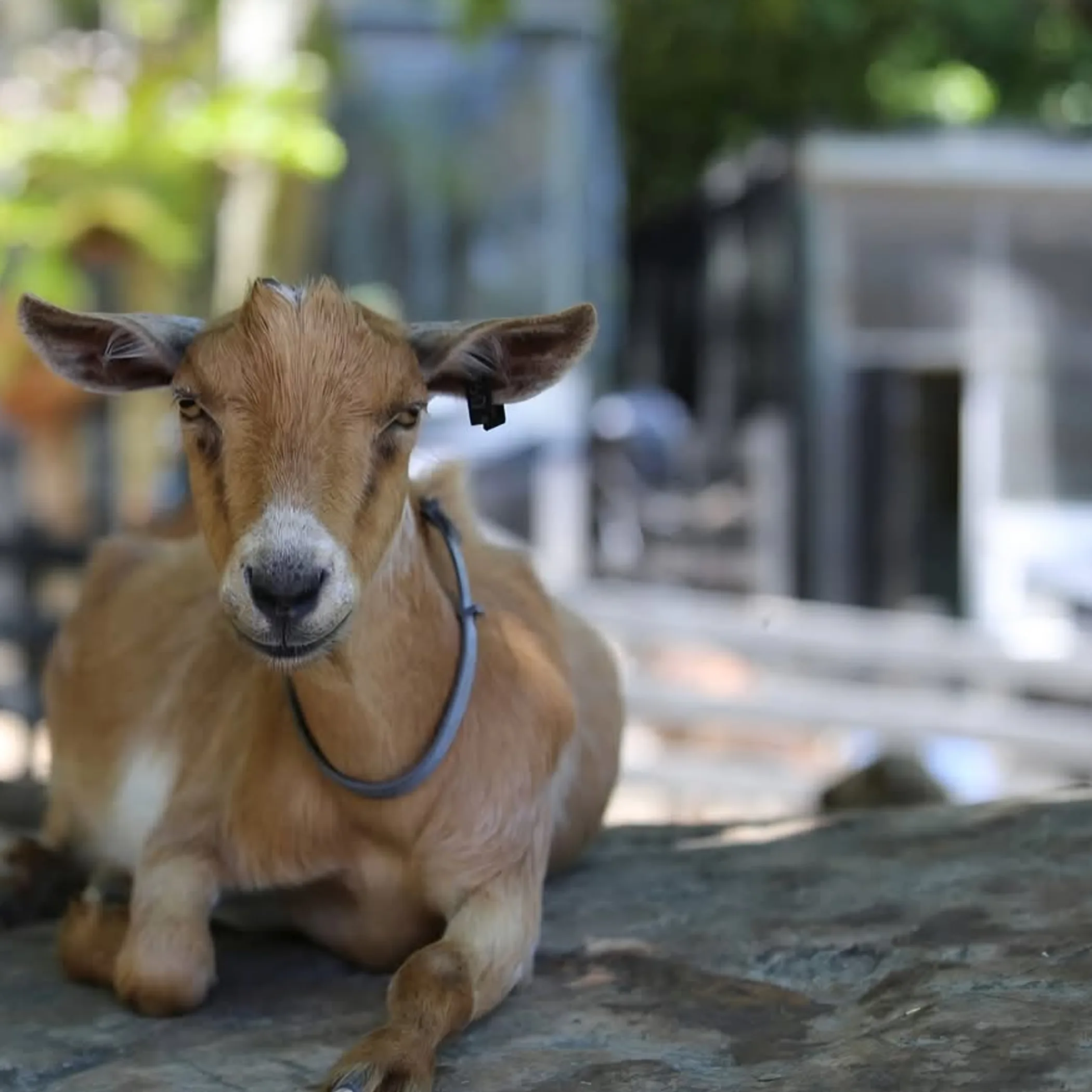
Visitors do not need to consult a vet or mix sick animals and do a diagnosis just by looking at the goat for the first time. Visitors should provide satisfactory notice to the farmer to stop the spread of disease or pests while the farmer seeks advice.
If you observe some abnormal animal sick, sick carcasses, coughing, strange behaviour in animals, significant damage to certain crops, or insects you have never seen before; inform the farmer immediately. As a visitor you should not interact with sick animals or collect insects and take them home unless instructed to do so by someone with authority.
Record What You Observed
The information that is important that the operator may ask you, is:
- Where did you see it?
- What did you see?
- When did you see it?
- Did you interact with the animals, crops or soil, equipment etc.?
Good photographs to provide to the operator may also assist though it helps if you stay within the approved tourist areas.
The operator will have the ability to contact Agriculture Victoria, the Queensland Department of Agriculture and Fisheries, or, the NSW Department of Primary Industries. The operator is responsible for all the decisions, Plant Health Australia, Meat and Livestock Australia, and state departments also provide industry information, but let the farm operator decide the immediate response.
Farm Visit Biosecurity Checklist
You can use this for the farm visit biosecurity checklist before, during and after your visit to the farm.
- Review the farm’s access instructions, weather (weather pattern, locale, etc) and opening times and arrangements.
- Ensure your shoes, clothes, bags, prams, bikes and vehicle floor mats are all clean before going to the farm. Inform the operator if you have been to another farming operation, livestock property, crop growing area, or wildlife place recently.
- Complete farm check-in and visitor register if requested or as requested.
- Park only in designated visitor parking and only on designated paths.
- Use designated visitor gumboots, footbath, or cleaning station as requested.
- Stay out of the production zones, feed, water, machines, and animals unless authorised.
- Wash hands after animal contact and before eating.
- Report anything unusual with animal health, pests, disease, weeds, or possible suspicious damage.
- Clean footwear, equipment, or anything touching the vehicle before visiting another farm.
Expectation vs Reality
Expectation: visiting a farm is like a country outing, and you can wander around there freely. Reality: this is a working place with controlled movement, changing weather and rules to keep the property free from infections.
Expectation: only international tourists need to be careful about biosecurity. Reality: domestic tourists can travel soil, seeds, weeds, and diseases between farms in Australia. Expectation: dry conditions mean there are unlikely to be any threats. Reality: dried mud and plant materials could still be in the socks, tires, boot treads, etc.
Frequently Asked Questions
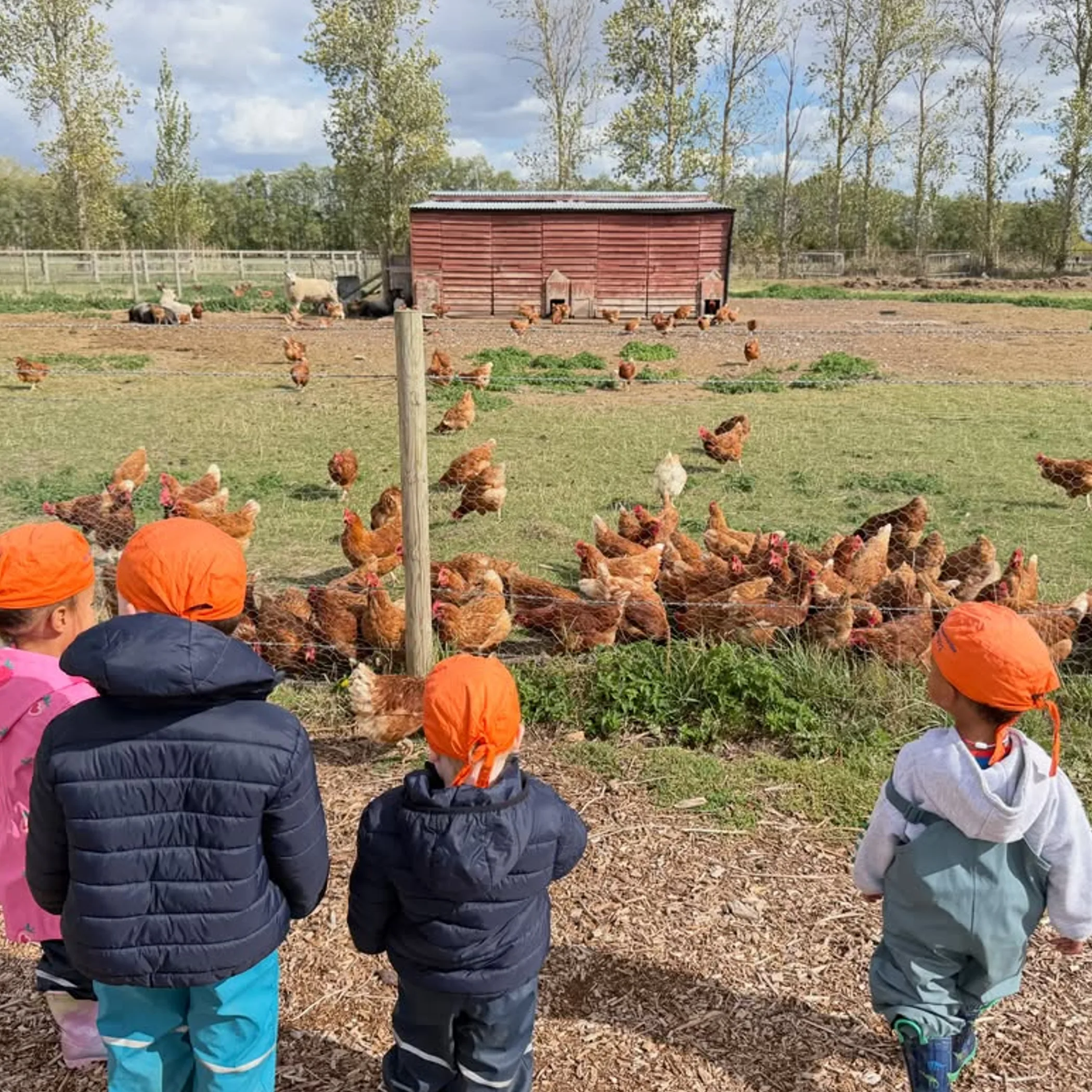
These answers are about possible concerns regarding farming visitors biosecurity in Australia, agritourism visitor safety in Australia, and any current travel questions. Always comply with specific property’s instructions; risks on farms and procedures relating to different states are different.
What Are Australia’s Biosecurity Laws?
Australia requires visitors to declare relevant food, plant and animal products and comply with inspection protocol. Farm visits should be clean, comply with property directives, avoid restricted places, limit movement, and check for soils, manures, seeds, pests and diseases.
What Are The Major Five Parts?
Practicable 5-part explanation is prevention, preparation, exclusion, early detection and reporting. With regards to biosecurity frameworks from government and industry, their terminologies may be somewhat different.
What About Visa Changes in 2026?
Visa changes and processing are separate things from farming biosecurity rules. The information supplied here for the purpose of this guide does not guarantee a specific visa change. Travellers should verify their visa regulation visit relevant Australian government public organization.
What Are The Current Biosecurity Issues?
Current issues depend upon the state, season, commodity, and outbreak status. Visitors should pay attention to signage and directions from the operator about livestock diseases, pests, weeds, soil contamination, restricted areas, and temporary closures.
Can I Wear My Hiking Boots?
Yes, if the farm allows their use and they are disinfected, and cleaned according to protocol. All signs of soil, manure, seeds, and any plants need to be removed at first. Usually, dedicated visitor gumboots are a safer option if you have just returned from bushland, if you have already been in another farm, or if you’ve been hiking on a muddy trail.
Make Clean Travel Your Practice
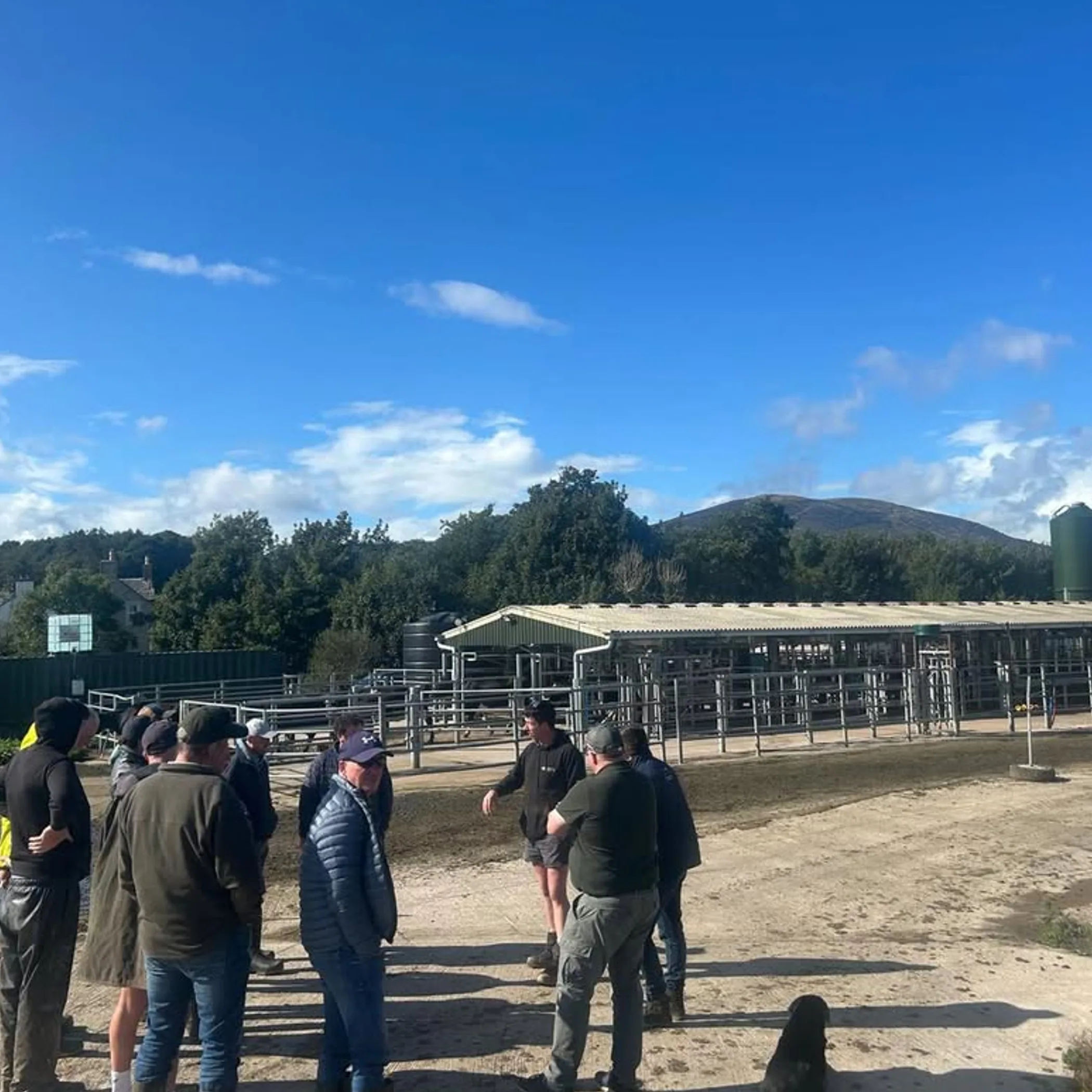
Biosecurity measures are understandable and do not require expensive equipment or any professional knowledge. Honest declarations, keeping good hygiene, avoiding unnecessary movement and asking just one more question before entry is all you need to do.