The first rule of any roof safety is to do your inspecting from the ground and only put yourself up there if your experience and the equipment at hand make it safe. From the vantage point of the driveway a roof may seem as flat as you like but it can be concealing loose sheets, broken tiles, exposed wiring or structural issues not to mention a slippery surface.
I am Matilda Lawson, a writer out of Adelaide. I have found a sensible plan to be preferable to a heroic tale with a ladder and garden hose that ends in the emergency department. What follows is a guide to the ins and outs of roof and gutter maintenance, DIY safety and inspection, and knowing when to leave it to a licensed roofer. Whether it is a tiled home in South Australia or a Colorbond shed in the Top End, this will serve you well.
Do an Inspection at Ground Level
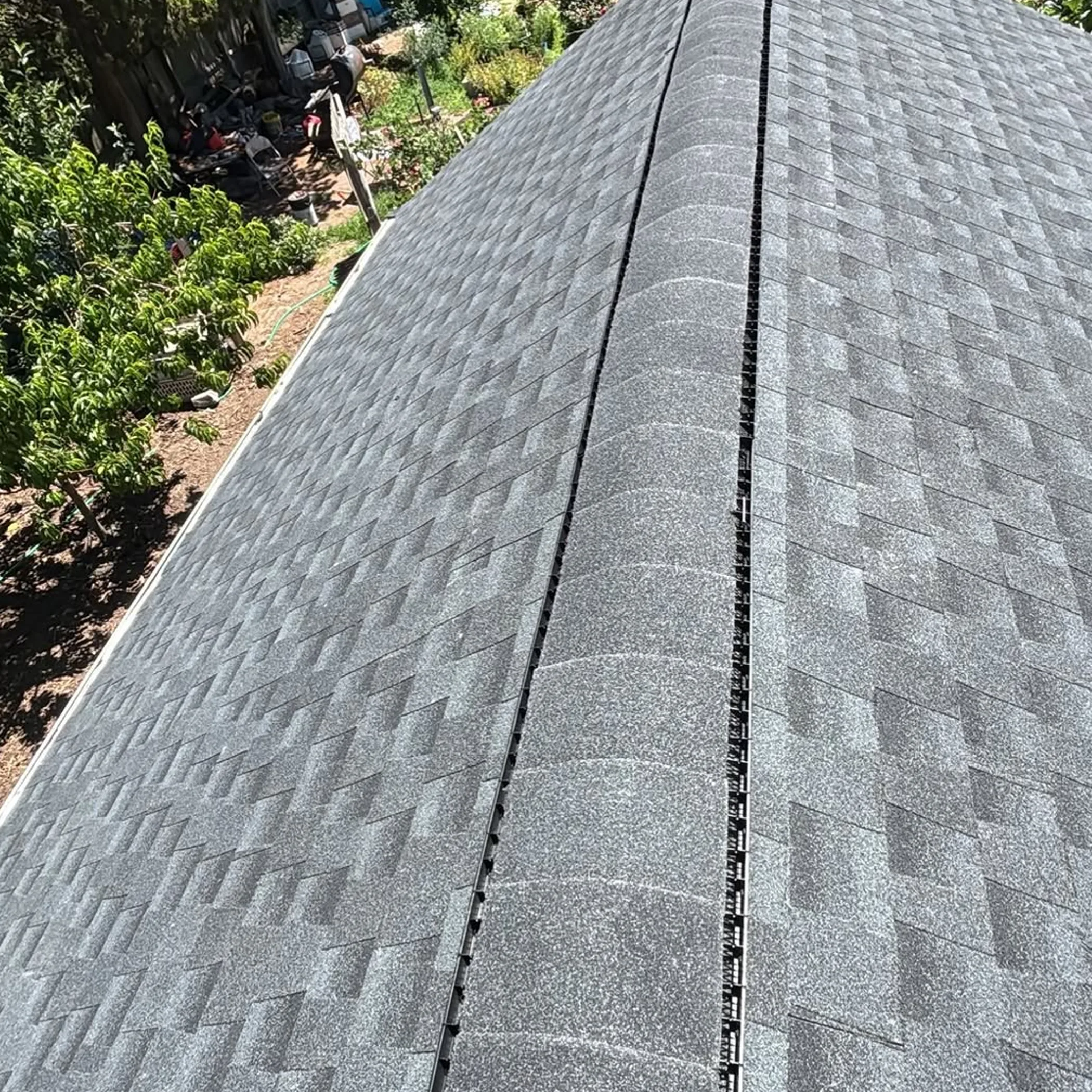
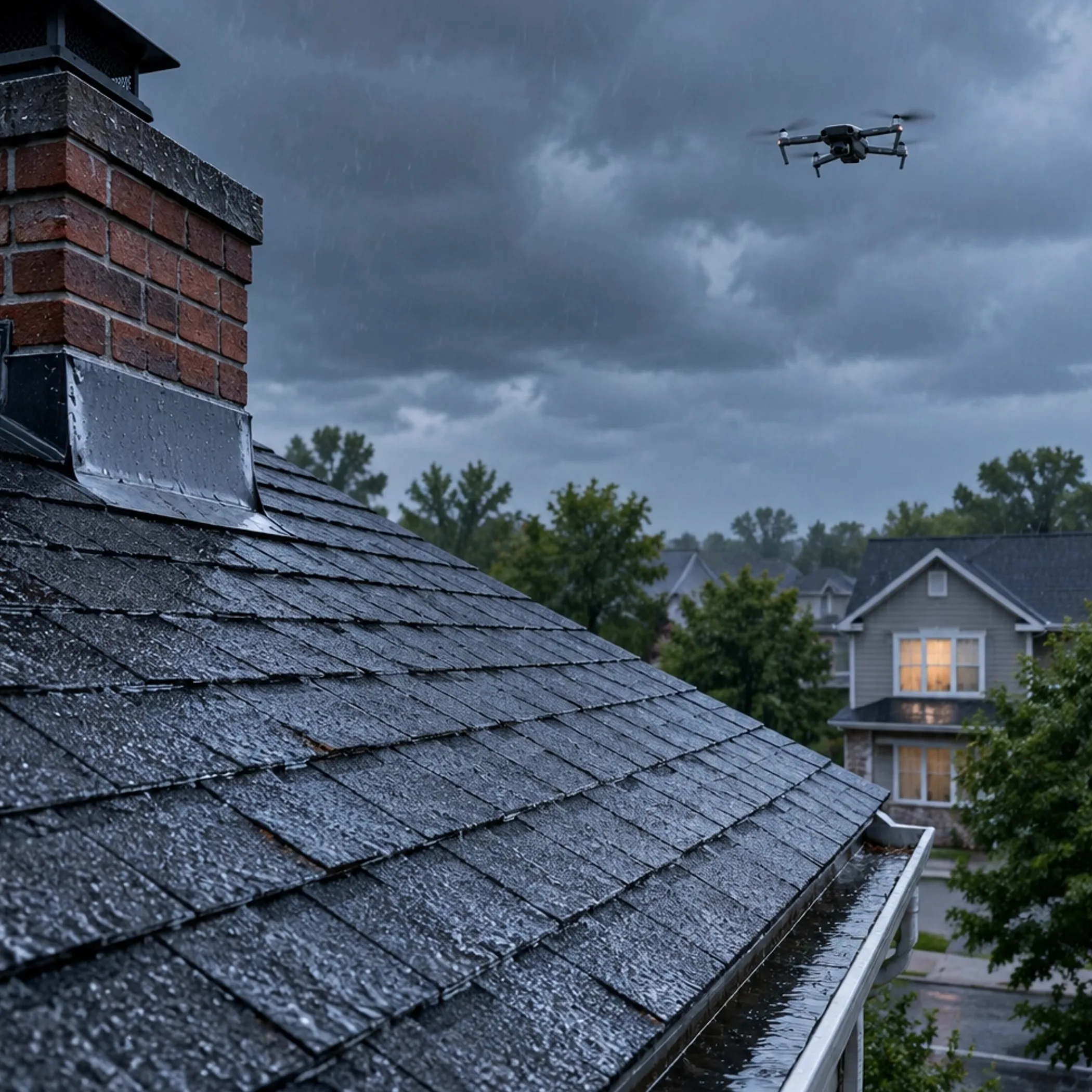
There is no need to put your body in harm’s way to get some useful data. After a cyclone alert, some heavy rain or hail, or if you are seeing a suspicious drip in the house, a ground-level look is the proper place to start.
Take your time walking the property with binoculars, a torch and your phone. You will see things from the side fence that are not apparent from the driveway. Make sure any children or pets (and inquisitive neighbours) are kept clear. For more roof inspection checklist tips, review the property carefully.
Put Yourself in a Safe Position
From the front, back and sides of the house, check the roofline while standing on dry, solid ground. One does not want to be leaning over a balcony or on top of some outdoor furniture for “just one quick look”, which has a way of making a simple chore rough as guts. A photograph can be enlarged later, or use the binoculars.
You are looking for sagging, ridge capping out of place, rust, cracked flashing and any metal panels or tiles that are not where they should be. The underside of the eaves can be examined from down here; peeling paint, mould or darkened timber might suggest a leak though not necessarily its source. Water can make its way along the battens or ceiling framing before it shows up inside.
Spotting Hazards
Left to their own devices most roof problems will cost more, yet detecting them early is no licence to go after every defect. Observation and repair are best kept apart.
In Australia we have our share of roof systems, from concrete and terracotta to metal and Colorbond. They all have their weak spots and will not respond to the same cleaning method or ladder.
Some telltale signs
Water can find its way into the roof space through a missing or broken tile. So too can leaks develop from flashing that has cracked around a chimney, vent or skylight. Rust is often a sign of corrosion or water under the metal.
From the ground, have a good look at the downpipes and gutters for debris, leaf litter, joints that are overflowing or sections that are sagging. An overhanging tree will be the cause of extra work come the winds.
A sagging line on the roof needs to be dealt with. It could be the trusses or supports giving way, or too much moisture. Do not go up on the roof to make sure of it. If the roof space has a damp odour or doors are sticking, get a professional in to assess it.
When to Put the Ladder Away
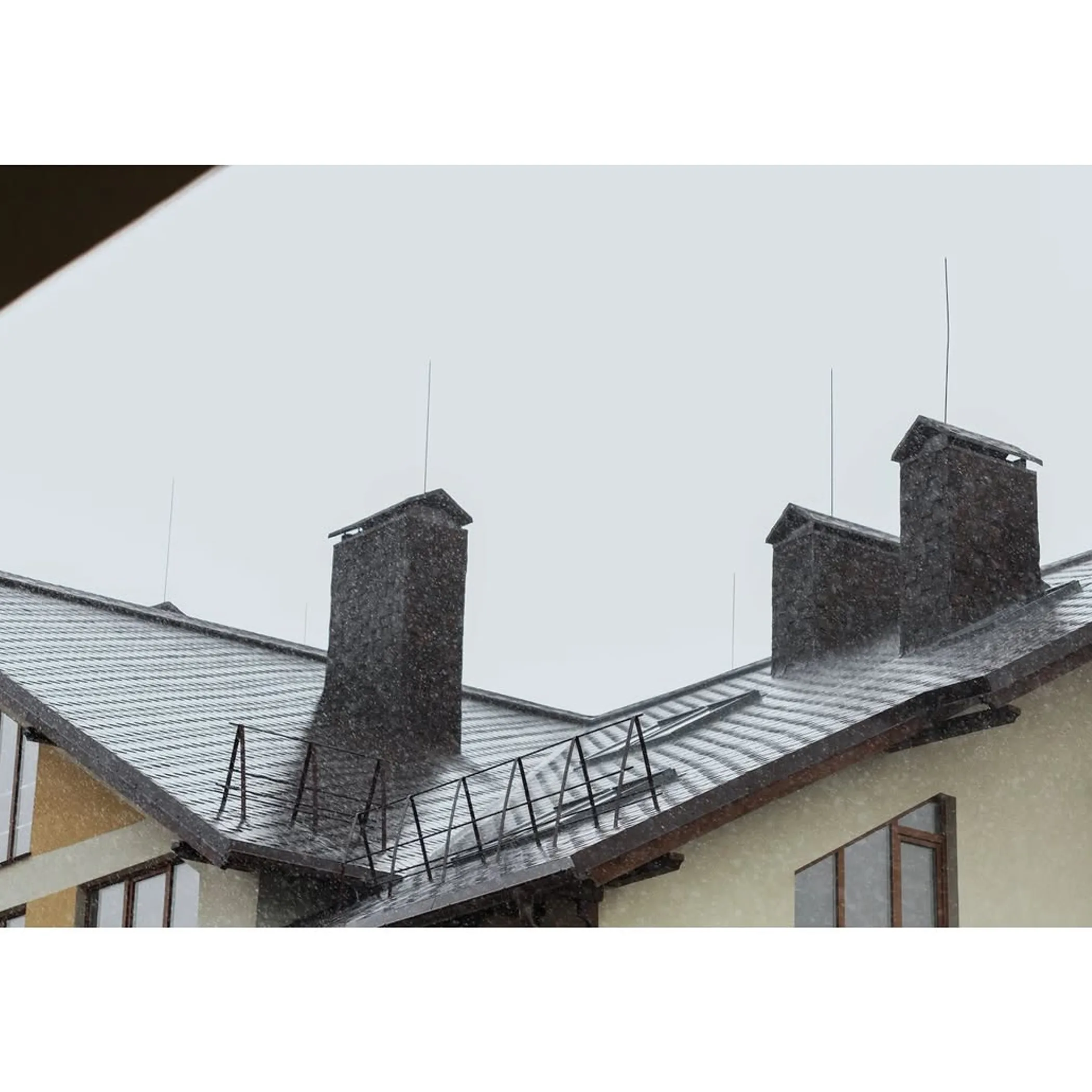
As much as it is about how to look, a safe inspection is about when to desist. Poor visibility, wind or a wet surface can make for a fall.
Do not be fooled by a low pitch into thinking a roof is safe; a steep one is for the professionals. Old tiles and skylights can give way under your weight despite appearances.
Then there are the conditions
Rain, frost or a damp roof means do not climb. Metal and tiles will be slick, and what looks innocuous from below in the way of dust or moss will not offer much traction. Windy days are not the time for it either; the ladder will shift and debris can be blown about. Up north in the wet season or when a cyclone is in the offing, expect unstable surfaces and storm damage.
And keep a wide berth of any electrical wires. Assume they are live. Should the service connection be compromised by a storm, put in a call to your electricity distributor and have a qualified professional handle it; do not set up a ladder in the vicinity.
Ladder safety is hardly a glamorous affair yet it will do more than anything to prevent an injury that could have been put off. Bear in mind that a good ladder on substandard ground is as much of a hazard as any other, and no spotter is going to catch a falling adult with the dexterity of a film stuntman.
Use Ladders With A Plan
Select a ladder you can trust for the task and your weight. Inspect the stiles, rungs, feet and locks to make sure they are in order. Put it down on level, firm ground clear of any doors or where a vehicle might pass, and out of reach of children and pets. When you are climbing, maintain three points of contact at all times (two hands and a foot for instance).
Make Access Predictable
Where the situation allows, stick to the 1:4 ratio most people are familiar with, having the base of the ladder one unit from the wall for every four of vertical height. You will want to heed the manufacturer and local safety rules given the variation in roof access.
Have another adult on hand as a spotter to see that the area is kept clear and to put a stop to things if conditions warrant. But he should not be standing under you or trying to muscle an unsuitable ladder into position.
Tools are best left in a belt while you climb, provided they do not get in the way; do not have them in your hands. And never reposition a ladder with someone atop it. If you find yourself twisting or reaching sideways to make access, then sensible DIY has been left behind.
Match The Roof Material
Maintenance habits need to suit the material. A concrete tile may take what would harm a metal coating; something that appears to be innocuous cleaning could drive water under the flashing.
Across Australia some basic maintenance involves clearing the drainage and making periodic arrangements for a professional to have a look. How often is a matter of the roof’s condition and such variables as location, storms and salt.
Tiles Are Not To Be Abused
A boot putting pressure on a terracotta or concrete tile will leave its mark, one you will not see until there is a proper downpour. They are prone to cracking so do not walk on them without the necessary equipment and training.
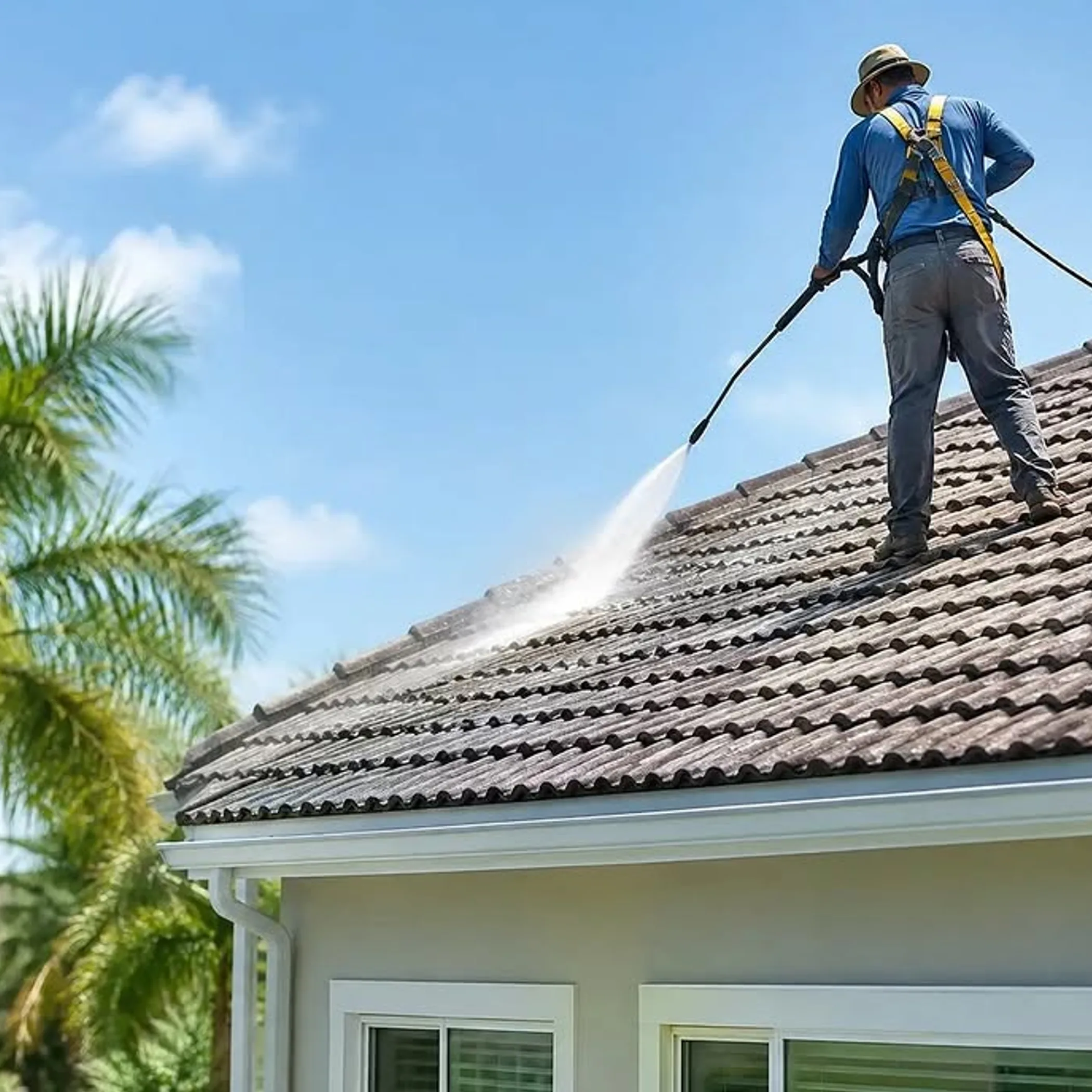
Leave high-pressure cleaning to a professional who can vouch for it. It can tidy up a roof but in the process dislodge tiles, strip surfaces and send debris into the gutters, all while making new problems in their stead.
Metal Is Unforgiving
Colorbond and other metal roofs will show the effects of careless foot traffic, abrasive tools and the wrong chemicals. From the ground, check for any lifting edges, failed sealant or corrosion about penetrations.
Before you put paint over a rust stain to hide it, find out why it is there. It could be a fastener or a low point where water has pooled. A licensed roofer will tell you if it is merely cosmetic or evidence of something more.
When To Call In A Pro
There are times when enlisting a professional is the only way to safeguard your home and your insurance. This is true of any work at height or where electrical and structural risks are present.
In states and territories with licensing requirements, engage a roofer who can put his current insurance on the table. Get a written scope of works that makes the distinction between repair, waste removal, any building work and the like.
Expert Help Is Warranted
For a steep pitch, a sagging roofline, extensive storm damage or persistent leaks, you will want to arrange for help. The same goes for strata or heritage properties which can raise questions of responsibility and appearance.
In the wake of a cyclone or hail, document what you can see from the ground and put some protection in place indoors if it is safe. Do not put in permanent repairs before you have done so in case an insurance claim is in order. Have a word with your insurer on compliance and approved contractors.
As for whether $30,000 is too steep for a roof, there is no straight answer. One has to factor in the pitch, sarking, scaffolding, materials, regional labour and so on. Judge a figure on the back of a like-for-like written quote.
A Practical Inspection Checklist

With a roof safety checklist one can put changes on record without the need to make an unnecessary ascent. Put down the date, what the weather was like, which parts of the roof were in view and any photographs or measures called for.
The following tips for your inspection are of a ground-level nature by design. Should you be unable to get a safe vantage point on something, it is better to log it as “requires professional inspection” than to assume all is well.
- Take note of the roofline for any sagging, unevenness, movement or edges that have come up.
- Binoculars will serve you well in spotting broken or absent tiles, a crack in the flashing, rust stains and the like on the roof sheets.
- Make sure gutters, downpipes, valleys and other drainage in plain sight are free of leaves, debris and signs of overflow.
- Under the eaves check for dampness, mould, peeling paint, staining or where the timber has been compromised.
- If you are to go into the roof space, do so from a position of safety with a torch in hand and steer clear of insulation, wiring and framing that is not sound.
- Any storm damage should be put on camera from the ground prior to making repair arrangements.
- A steep or wet roof, one with electrical hazards or that is otherwise unstable is no place to be; put down the checklist and call in a licensed roofer.
| What You Notice | Possible Concern | Safer Next Step |
|---|---|---|
| Broken or missing tiles | Water getting in or movement under the covering | Get a picture from the ground and have a professional look at it |
| Rust on metal roofing | Could be corrosion, fasteners giving way or moisture | Have a written assessment done, do not just paint over it |
| Sagging in the roofline | Prolonged moisture or structural issues | Clear the area and ring a licensed roofer |
| Gutter overflow | The drainage may be blocked, damaged or have a poor fall | Do it with ground-level tools or put in for maintenance |
| Stains on the ceiling post-rain | A leak from elsewhere on the roof | Put it on record and have a qualified investigation |
For more on height-safety, the Safe Work Australia guidance on falls and working at heights is worth a read. Though aimed at the workplace, the essentials apply at home: have a plan, use the right equipment and control the risk of a fall.
Plan For The One-Day Check
When time is short, concentrate on what can be done from the ground: the inside of the roof space or ceiling, the gutters and downpipes and any visible aftermath of a storm. After a rain there is extra time to be had in looking for active drips and water marks that would elude you in dry conditions. On a typical suburban property a slow circuit of every elevation is in order, including the verandah, carport, shed and garage. Ladders and the rest should be kept off public paths, driveways and away from children, particularly if side gates are narrow.
This is for the homeowner who is observant and can put in a call to a professional when needed. It is not for the beginner with notions of walking a steep roof, mucking about near live wires or delving into suspected structural damage.
Frequently Asked Questions

How Do Roofers Stay Safe On Roofs?
They have the training and equipment for it. That means checks on the weather and the structure, an eye for fragile surfaces, electrical hazards and pitch, as well as fall-arrest systems and proper footwear. Homeowners are ill-advised to emulate their methods of access without the requisite training.
What Are The Five Most Common Roofing Problems?
You will find leaks, trouble with the gutters, tiles that are broken or gone, failed flashing and loose fixings or corrosion on metal roofs. Storms and inadequate ventilation make matters worse. But the source is not always what shows; a patch on a damp mark does not necessarily cure the leak.
Is Sarking Required For A Colorbond Roof?
Not every Colorbond roof is the same in that regard. It is a matter of the product installation system, building requirements, condensation and bushfire risk, to name a few. Let a building professional or licensed roofer confirm the compliance obligations for the property in question.
Is $30,000 Too Much For A Roof?
The figure in itself is not very telling. Then again, a straight-forward repair is not the same as a full replacement involving scaffolding, sarking, heritage issues, difficult access and disposal. Compare warranties and inclusions on detailed quotes.
Should I Inspect My Roof After A Storm?
Start with one from the ground. You will see if anything has been dislodged, whether there is water entry or exposed areas and if the gutters are clogged. Do not be tempted to climb in strong winds or on a wet surface. If there is any sign of movement or an electrical hazard, leave it to a licensed roofer.
Keep The Roof Risk Sensible
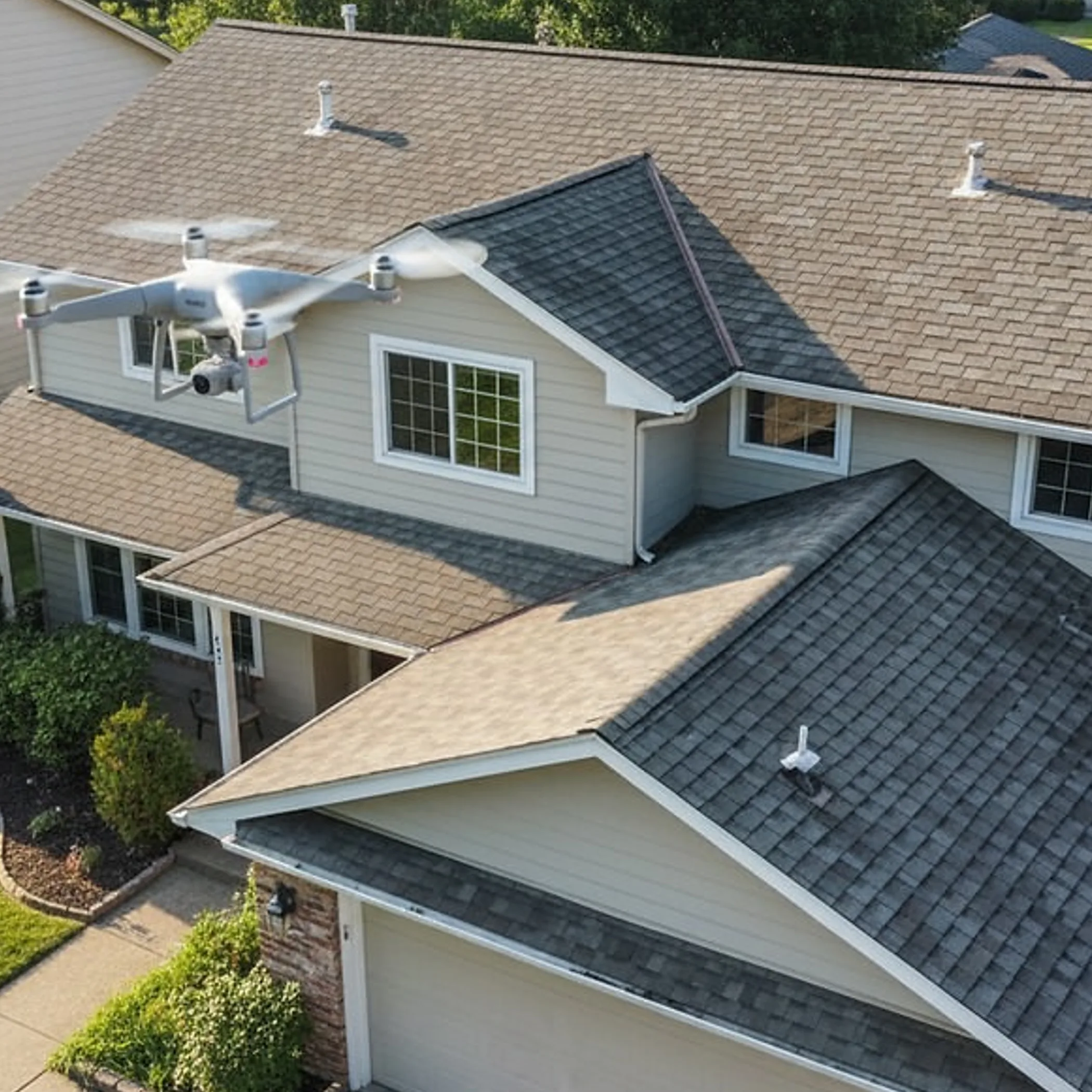
There is nothing complicated about the best safety advice for an Australian homeowner: respect the weather, look before you do anything and if in doubt about a defect, hold back. A good deal can be made out from a ground-level inspection; for the rest, let a roofer with the insurance and experience put in the work.
To maintain a roof properly is not to be fearless. It is a case of being aware of the small things, making a proper record of them and taking the course of action that is safest, before the roof makes the decision for you.