The first rule of Hot Springs Safety in Australia is straightforward: heed the venue’s instructions, see what the water temperature is like and be gone before your body has anything to say about it. There is nothing as restorative as a good hot spring, yet with the heat and slippery ground and perhaps a lapse in judgement or dehydration, you can make a peaceful affair end up as a trip to first aid.
Matilda Lawson here. I have found that if I do not try to make of the warm pool a bottomless bathtub, and if I have my pack in order and have read the booking rules, a visit to the hot springs is all the better for it. What follows is a guide to the practical side of things in Australia, for anyone visiting the hot springs, from hot springs etiquette to the kind of details one tends to learn five minutes too late.
Hot Springs Safety In Australia
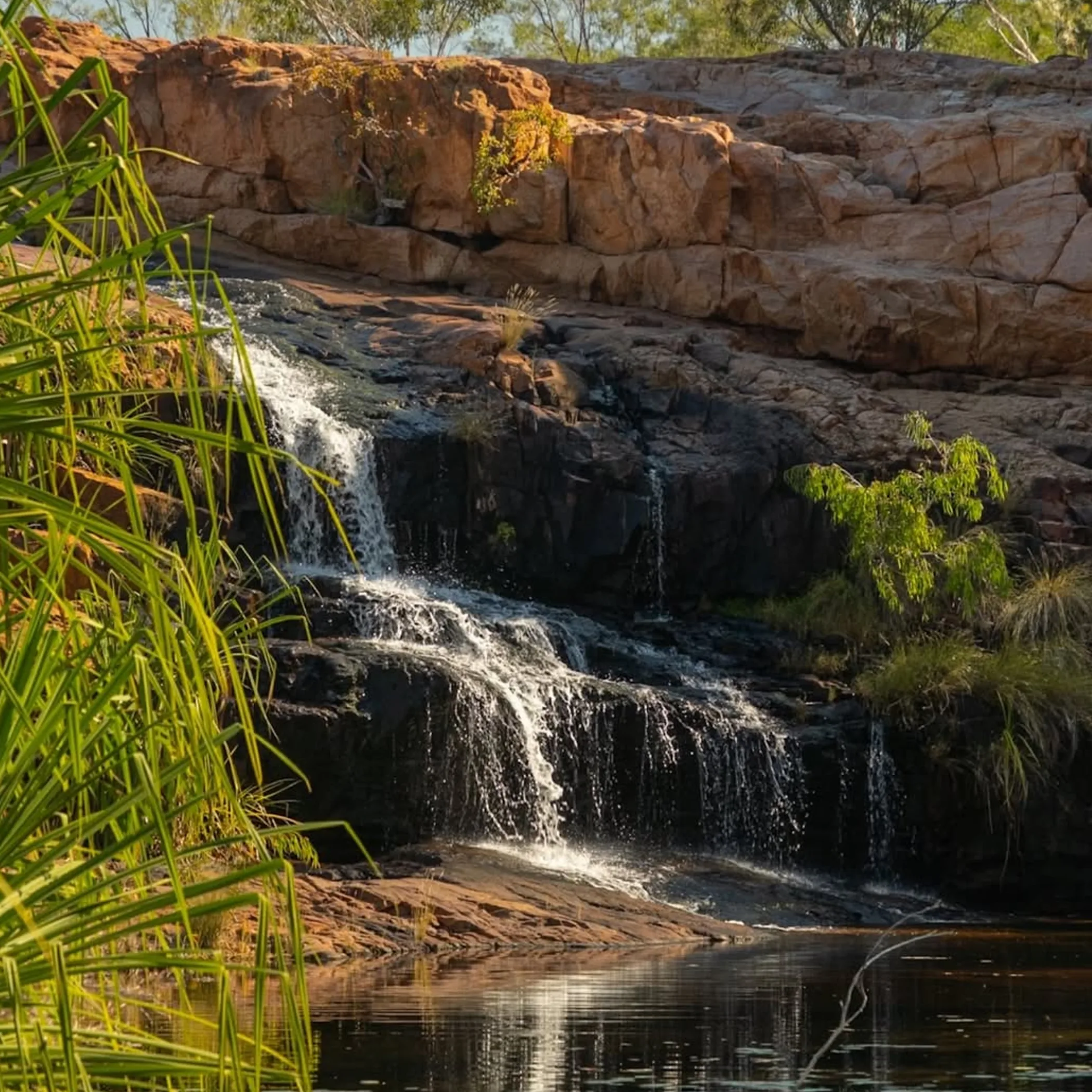
You will find everything from properly run bathing facilities to pools in the middle of nowhere with no staff, changing room or phone signal to speak of in this country. Do not let the word “natural” do the thinking for you; your safety plan should be commensurate with the season, your health and where you are.
In Victoria at the Peninsula Hot Springs or the Hepburn Bathhouse & Spa you can expect managed venues with their own systems, staff on hand and demarcated areas for bathing. Go to some of the more isolated spots in New South Wales, the Northern Territory or Western Australia and you may be faced with wildlife, rough going and variable water quality.
Know Your Heat Limit
Ten or fifteen minutes is a reasonable time to start with for most adults, then get out of the water for a while, have a drink and see how you are. Pools vary in depth and circulation so the venue’s word is final.
Should you become short of breath, confused, faint or unaccountably tired, leave the water. Heat exhaustion does not build character. Put in a call to 000 if it is severe and makes no improvement; otherwise have a seat in the cool and let your companion or the staff know.
Before You Enter, Have a Look at the Rules
They are not the same across Australia. Be it a public bathhouse, a private spa or a national park site, the stipulations on alcohol, photography, children and time limits will differ.
Make sure you have read them at home to avoid the embarrassment of finding your toddler, camera or picnic are not welcome in the bathing area. It is also a way to have a handle on the cost of parking, entry and locker fees.
Make Sure of Your Access and Bookings
Get the facts on road conditions, opening times and any restrictions from the land manager or venue. Some will put sessions out in advance, others limit numbers when it is busy. A confirmation of your booking does not mean a remote road is passable following a rain.
For natural sites you may require a permit or Aboriginal land access. In the NT check on any Parks Pass you might need and relevant park info; in WA there will be local alerts and seasonal closures to be aware of. And do not think to go over a closure barrier just because the track is flat.
Respect the Boundaries
There is a marked zone for a reason. Do not put it out of your mind that a section of the pool looks warmer and is therefore safe; the surface is no indication of what is under it. Water circulates in its own way.
Put in a word with staff as to where the showers are, the quiet zones, how to get back to the car and the like. If you are off to a remote place, let someone at home in on your plans as to route and expected return.
Time, Hydration and the Heat
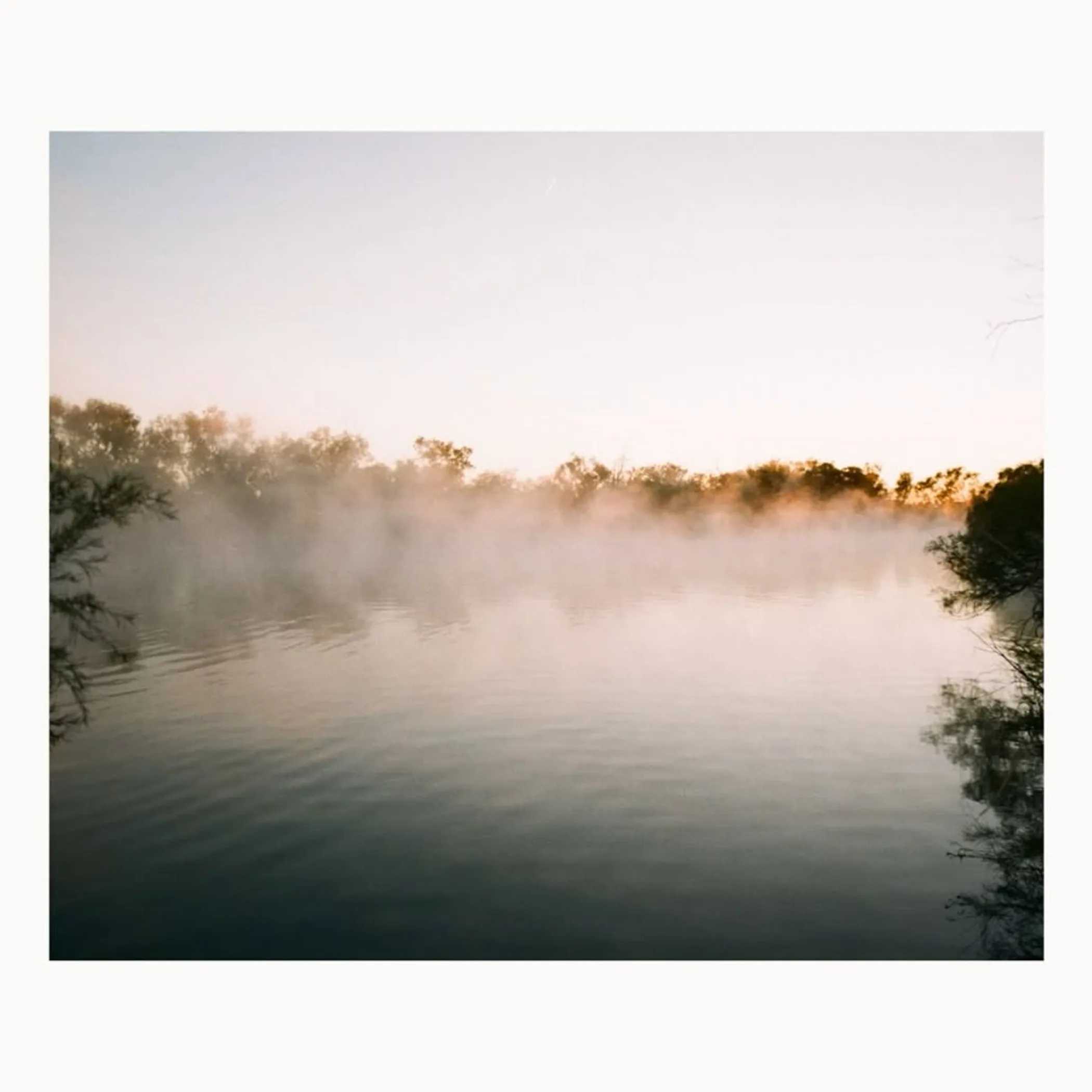
It is easy to make the error of staying in simply because the water is so relaxing, only to stand up and find the world a bit wobbly.
Keep hydrated, particularly in the heat or after a walk to a pool, or if you have been drinking. One forgets to have a drink when the view is pleasing and the phone is not demanding attention.
A Simple Soak Pattern
For a cool-down, have a short soak and if you are in good form, another one after. But be deliberate when you come out of the water, put some care into your walk and do not make a rush for the hot sauna or steam room. Should light-headedness set in, consider the day’s bathing done.
Summer calls for an approach that mixes your time at the hot springs with shade, sun protection and to drink some water from time to time. And before you set off on any long drives or walking about outdoors, particularly in the event of a heatwave, see what the Bureau of Meteorology has to say in its Australian heatwave information.
The Clock And Weather
If the venue allows it outside of quiet areas, put a timer on your phone, otherwise get a companion to mind the time. Make a plan that is realistic for all the changing, showering, meals and cooling down between pools; the actual bathing is but one element of the visit.
From November through April the wet season in the Top End and northern WA will see cyclone warnings, lightning, flooding and access tracks turned to mud. The dry season makes for easier roads though you will find popular spots can be crowded. Down south in winter the path and car park may be cold and treacherous even if the water is tempting.
| Situation | Safer Approach | What Often Catches People Out |
|---|---|---|
| First time at a managed spa | 10–15 minutes to start then a break, heeding the pool signs | To go from one very hot pool to the next with no respite |
| Hot weather / heatwave | A shorter session with water and some shade planned for later | You are fine in the pool until you stand up and get dizzy |
| Remote natural pool | Do your due diligence on access, the weather, phone coverage and who to contact in an emergency | The notion that “natural” equates to clean or under supervision |
| With the family | Use frequent breaks and where necessary have the children within arm’s length | The adults put their feet up and let supervision slip |
| Winter evening | Have warm layers, a sensible way back and dry footwear | The cold walk to the car is something people do not give enough credit for |
Shower, Swimwear And Hygiene
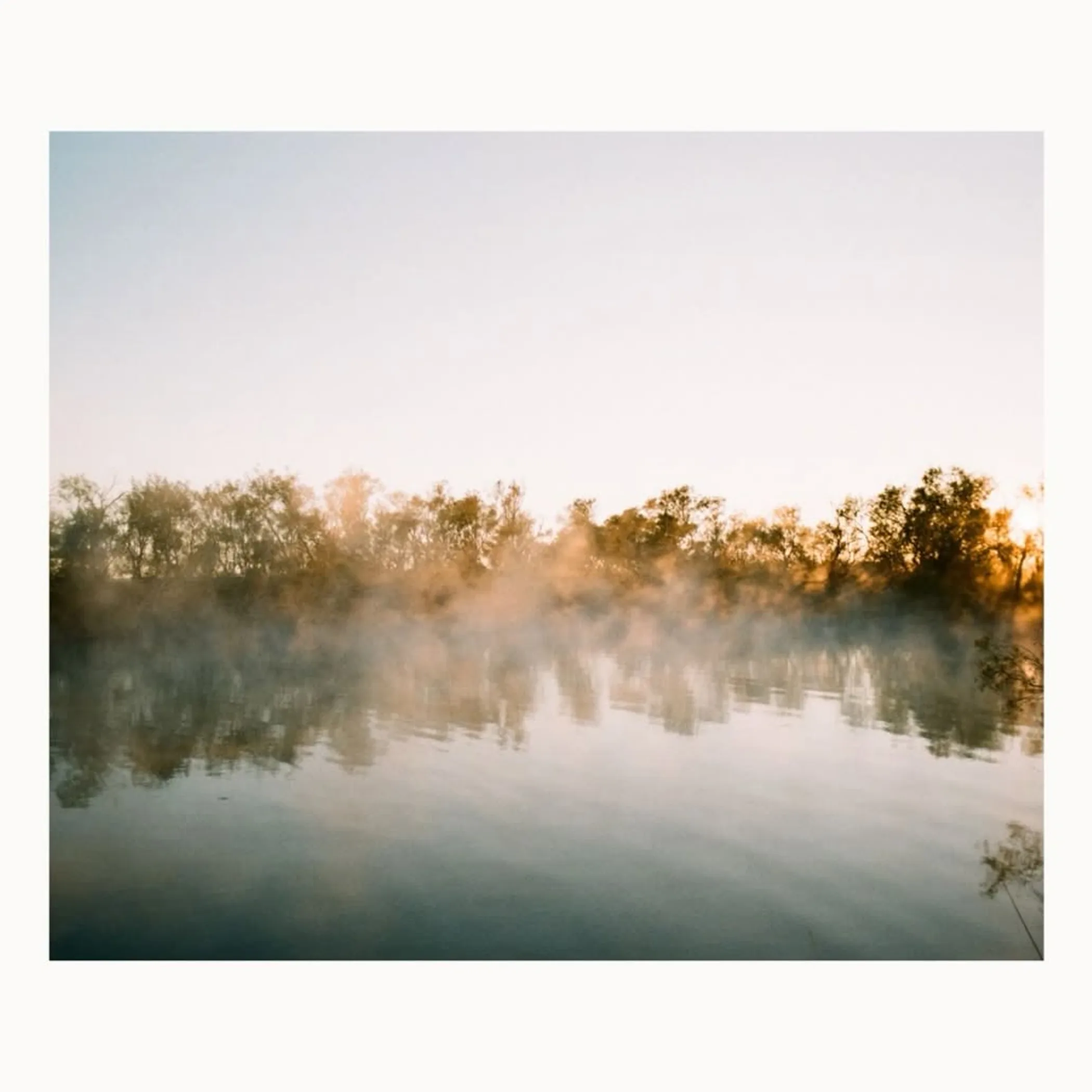
It is only proper etiquette at a hot spring to have a shower first. That will clear away the sunscreen, lotions, body oils and sweat so the facility does not have to put as much treatment in the shared water.
Make sure your swimwear is in order and appropriate to the venue. Some will insist on swimmers, others have rules on materials and coverage. A big cotton shirt might seem innocuous but it will put detergent residue and fibres in the pool.
Clean Bathing Habits
Before you have a soak, or after you have put on moisturiser or sunscreen, use the shower provided. There is no place for soap in the pool, nor should one enter while visibly unclean or having just shaved or washed one’s hair. An open wound or stomach bug means you should put off the visit; in any doubt put the question to the venue.
Towels and the like belong in the area put aside for them. Put on some sandals or other secure shoes by the pool edge and in the changing rooms, unless the venue has a bare foot policy. With condensation or spilled water about, slippery ground is a fact of life.
Changing Conditions
Your attire for the hot springs will be dictated by the season, how far the car is and the facility itself. Go for something comfortable and that will not slide. At an outdoor location a hat and some sun protection are advisable in the morning regardless of how cool the water is.
Do not count on the shop being open, in regional parts of the country or at odd hours it is not. It is an inconvenience to find the café shut and a cold evening without dry clothes is rough going.
Other Visitors And Spaces
You will find the etiquette in Australia for hot springs is nothing more than consideration. Be quiet, afford people some space and let them be; they are not interested in your group’s animated version of last night’s dinner.
In a shared space one should be attuned to the atmosphere. A treatment pool and a quiet zone are not the same as a family area, so take note of the signs and staff.
Noise And Cameras
Especially in the quiet zones, keep the volume of conversation down. No running, diving or splashing and do not put your bags and towels on a sought after spot of the pool edge. When you are behind a camera, ensure you have the venue’s permission and that you are not putting other visitors on display without their say so.
Speakers are not to be used unless the facility is explicit about it. Headphones can be hazardous too, you may miss an alarm or a call for help.
Leave No Trace
Make sure to put your rubbish in the bin, stick to what is marked and leave stones and plants where you find them. And do not feed the wildlife; a food scrap will only draw animals and make things difficult for those who come after you.
Then there is the matter of alcohol. Exercise some discretion. It is banned at many places and even if it is allowed, it can compound dehydration, throw off your balance and obscure the signs of heat exhaustion. A tinnie may be de rigueur for an Australian afternoon in some quarters but it is not a sensible safety proposition next to hot water.
Children, Pregnancy And Health
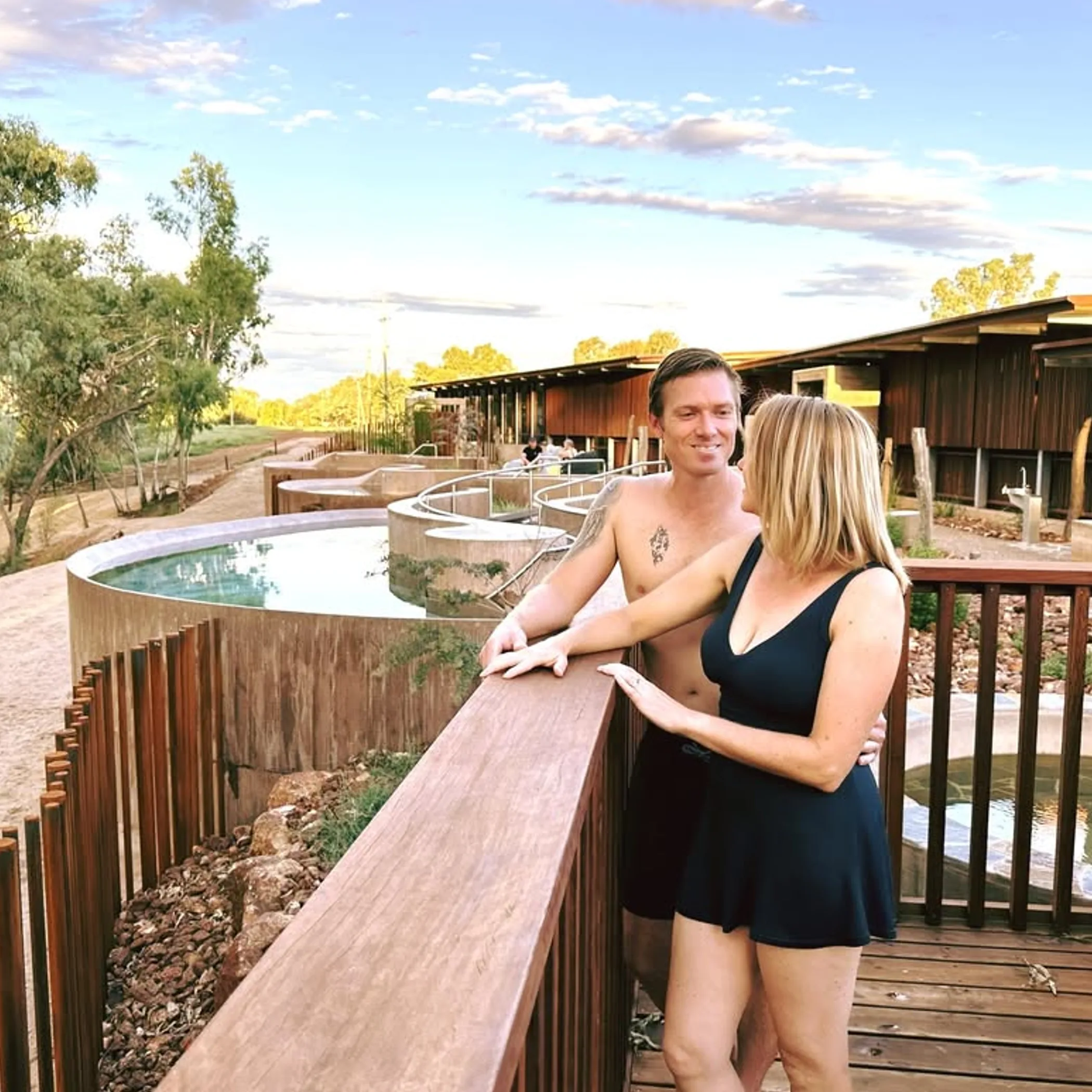
One should not think hot springs are for everyone or all ages. Children are prone to overheating and might not pick up on warning signals, not to mention the risk of slipping or drowning in water that appears tranquil.
Those with diabetes, heart or blood pressure issues, poor circulation, a propensity to faint, or on medication that alters one’s tolerance of heat and hydration would do well to have a word with their doctor or health professional first. The same goes for the pregnant.
Supervise Children Closely
Abide by the venue’s rules as to age, depth and temperature. Be alert, take breaks and ensure children do not go beyond the prescribed distance. The presence of other families is no guarantee they are being watched.
They are not to be running about on wet ground, dunking others or going into adults’ pools. Put aside a warm set of clothes and something to eat for later; a hungry child has no patience for your plans to relax.
Take Pregnancy Seriously
Before you get in a spa, hot pool or sauna, clear it with the facility and your healthcare provider. Heed any restrictions on time or temperature from the venue and be prepared to vacate at once should you feel unwell, faint or unduly uncomfortable.
Older people and anyone convalescing from surgery, illness or dehydration need to be equally circumspect. The staff in the towel queue are not in a position to appraise your medical history so you must make the call.
Natural Hot Springs Safety In Australia
More preparation is called for here. You will not find a lifeguard, a handrail, a phone for emergencies or water that has been tested. There could be microorganisms or chemicals in the natural water and the temperature is apt to change from one pool to the next or over the course of the day.
For the remote bathers we would recommend experienced travellers who can carry sufficient water and cope with a delay. It is not for those wanting a path in good repair and prompt assistance.
Plan Your Journey
Be realistic about the time needed for the drive back, for walking, changing and bathing, and for fuel and toilet stops. On the Stuart Highway or Gibb River Road the distances are deceptive and you may have kilometres between services. Have enough food, water, fuel and first aid on hand for any hold ups.
A word of advice before you head out: check your tyres and clearance and look for road alerts. Where you are in the bush, try not to travel on your own and let someone know your route. If a cyclone or flood warning is in effect, or there is a bushfire closure, it is better to alter your itinerary than to put yourself out for a soak.
Water And Wildlife
Any strong odour, dead animals, warning signs or apparent contamination in the water is reason to stay out. Cover any cuts and do not drink the water. Should symptoms arise afterwards, see a clinician and put him in the picture as to where you were swimming.
Snakes, spiders and insects are to be expected as are unstable banks. In the north be croc-wise and pay attention to what is said about the waterways; do not think a warm pool is cut off from a creek or wetland.
What To Bring
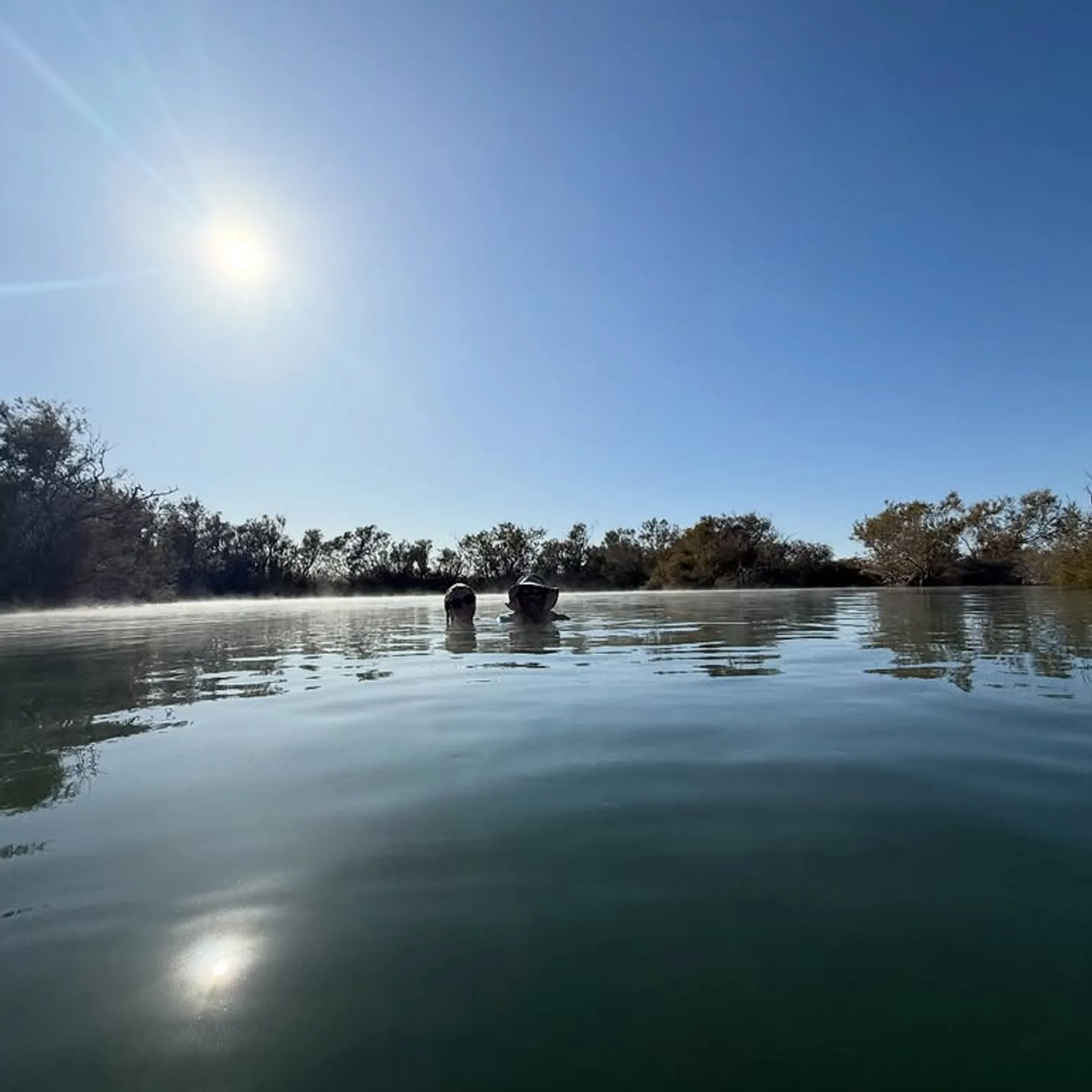
Whether you are making for a bathhouse or a track in the bush, pack for the way home with as much care as for the soak. A managed venue will have lockers, showers and towels to hand though fees and services differ. For a site out in the country you will want a more thorough kit.
- Clean swimwear and a towel, dry clothes and something warm.
- Footwear that will hold on a wet path and an extra pair of socks for a muddy access track.
- Sunscreen, a hat, insect repellent, some simple fare and drinking water.
- Have your phone and a power bank with you, an offline map, emergency numbers and any permit you require.
- First aid and your medicines, and a bag for your rubbish so as to leave no trace.
Transport will be a matter of where you are. Some of the venues we manage in the region can be put on your itinerary by car or tour transfer, with public transport an option in limited cases. For a more distant pool one will want to have a vehicle to hand and have planned for fuel. Do not make plans for the outing without first ascertaining the parking situation, how far there is to walk, accessibility and the route back.
This Safety Checklist
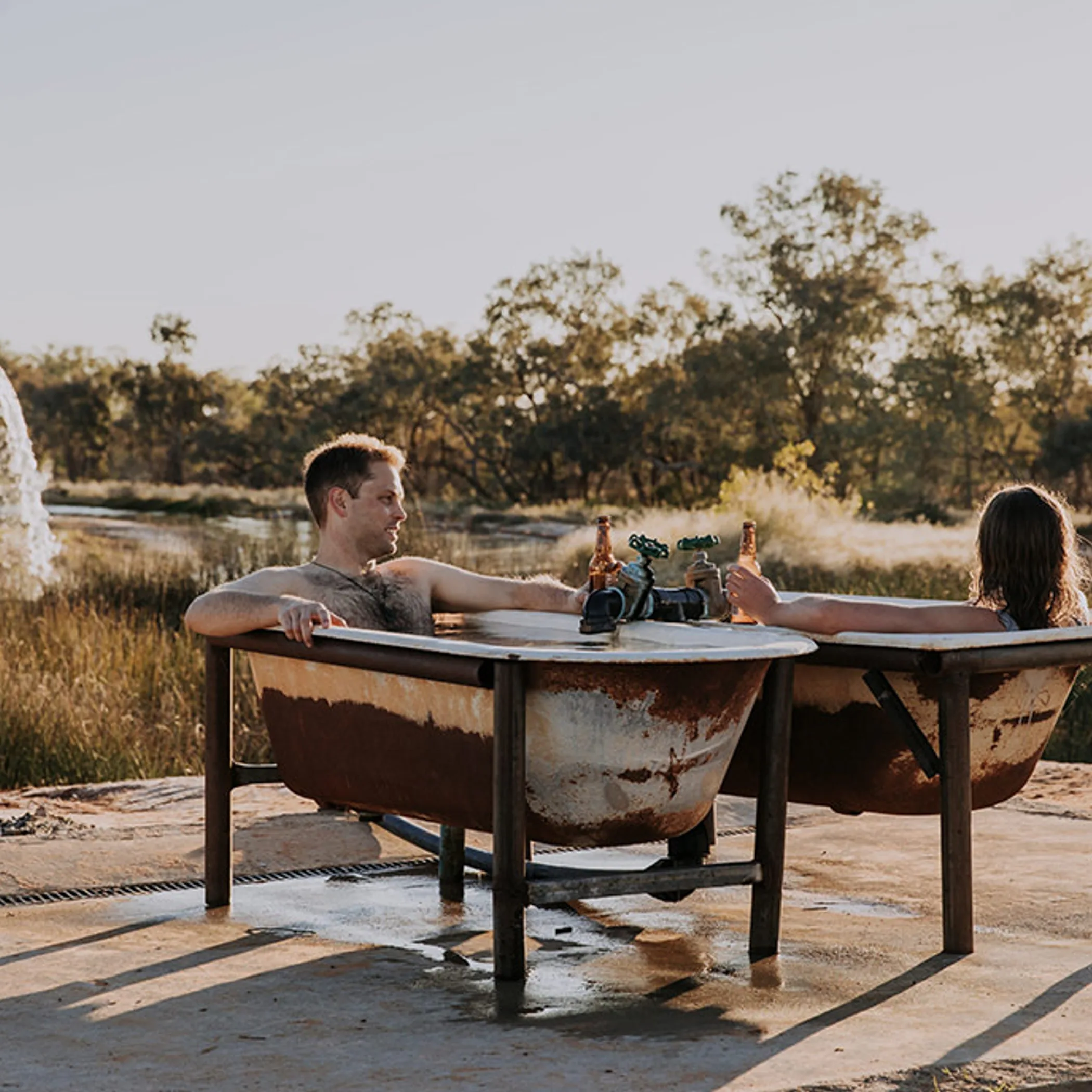
A quick run through of the following before one gets in the water is well worth it; it is faster than rooting about in a damp bag for keys and will keep a minor matter from taking centre stage.
- Current weather, opening hours, any access notices and booking rules have been reviewed.
- The requirements for swimwear, time limits, age and the temperature of the water are all known.
- One has eaten properly, had some water and steered clear of alcohol prior to bathing.
- Thought has been given to heat tolerance, medicines, medical conditions and pregnancy.
- Belongings are put away, I have showered and made note of any surfaces that are slippery.
- I am aware of where to find staff and first aid, the exit and emergency contact.
- Children will be under close watch and if anyone is unwell I will be making my way out.
- Quiet zones and other visitors are to be respected, as is wildlife and the leave no trace ethos.
For a single day out, a managed facility is to be preferred. Make sure the booking allows for travel and to cool down and that access and facilities are reliable. A natural site has its rewards but when in doubt as to the roads, your health or the weather it is not the wiser option.
Frequently Asked Questions
Visitors tend to put these questions to us ahead of their inaugural soak. The answers here are straightforward, though the venue or land manager’s own instructions should be heeded.
What Should You Not Do At Hot Springs?
Running, diving, drinking before you bathe, entering off limits areas or leaving children to their own devices are not to be done. Heed warning signs and do not overstay your time. Soap is not for the pool, nor is feeding the wildlife or littering.
What Are The Etiquette Rules For Hot Springs?
Have a shower and put on the right kind of swimwear. Be quiet and give others room, and do not point a camera at strangers. Even if your party has come a long way, abide by the staff and the booking rules.
What To Take To An Australian Hot Spring?
In addition to your towel, dry clothes and sun protection, take secure footwear, water and any medicines you need. If you are going to a remote spot, plan for food, an offline map, first aid, emergency numbers and sufficient fuel to get home.
Are They Safe For Children?
Provided the venue is amenable and adults are on top of supervision they can be. But check on the restrictions for age and temperature, put in regular breaks and keep them from the edges and any pools for adults only.
Is It All Right To Wear Swimmers?
Most managed places will want to see clean ones but it is best to check the site in case street clothes are barred or there are particular rules and changing arrangements in place.
How Long In A Hot Spring?
Ten to 15 minutes is a good start, then get out and have a drink of water. Dizziness or nausea means you should stop. How long is appropriate is a matter of the venue’s rules and your own health and the elements.
Alcohol Before Entering?
Best left alone. It is a risk to one’s balance and hydration and is forbidden at many of our pools.
The Safety Of Australian Natural Hot Springs
Do not assume they are. There may be no one to supervise or test the water, and safe edges and emergency cover can be in short supply. Look at what the land manager says and any warnings regarding wildlife or water quality.
Health Conditions To Steer Clear
With a history of fainting, circulation or heart trouble, or high blood pressure, medical advice is called for. The same goes for those on medicines that impact heat tolerance or who are pregnant.
A Pre-Soak Shower?
You should. It is proper etiquette and keeps the water in good order by getting rid of oils, sunscreen and the like. Put in another after if the venue sees fit.
Make Safety Part Of The Soak
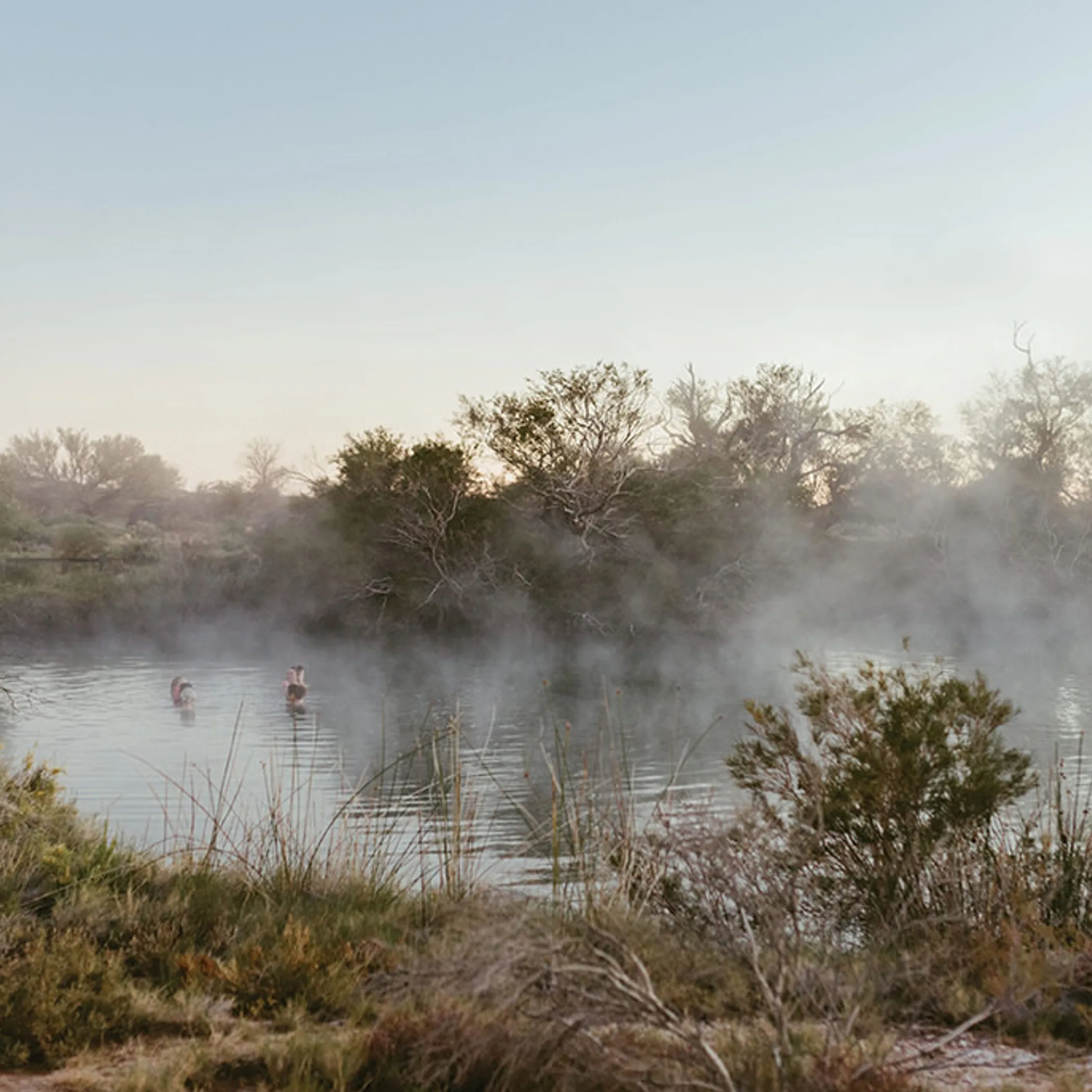
Good planning makes for an untroubled visit to the hot springs. Have regard for the rules and the conditions, be mindful of your time and water temperature and of the walk back to the car.
There is a practical side to hot springs safety: do not let the warmth dictate things for you. Be considerate of those around you and pack accordingly, and put the place back in order as you found it. Your companion and perhaps a park ranger of little patience will be grateful.